So Very Thankful Retro Design: A Designer's Real-World Review
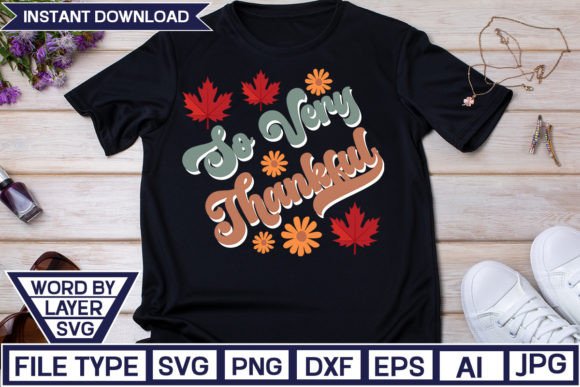
When I first opened the files for So Very Thankful Retro Design, my initial reaction was a mix of nostalgia and practical curiosity. As someone who spends hours troubleshooting stitch counts, selecting thread colors, and testing stabilizers, I don't just look at a graphic; I visualize the finished product on the fabric. This design immediately struck me as having a distinct personality. It isn't just a generic "thank you" message; it carries a warm, vintage vibe that feels perfect for the current market trends in handmade goods.
The retro aesthetic is currently dominating the craft business landscape, particularly among Etsy sellers and boutique owners looking to create cohesive brand identities. The layout of So Very Thankful Retro Design suggests it was built with intention. It doesn't feel cluttered, which is often the downfall of many digital embroidery files. Instead, it offers a clean visual hierarchy that promises to translate well from a screen to a hoop. But does it hold up under the needle? Let's walk through how this design performs when moved from a digital asset to a tangible, stitched reality.
From Digital File to Finished Product: The First Stitch
Imagine preparing for a holiday season rush. You are an Etsy seller or a small shop owner ready to launch a line of custom apparel and home goods. You need designs that resonate emotionally but also withstand the rigors of machine embroidery. This is where So Very Thankful Retro Design shines. The file includes SVG and EPS formats, which gives you flexibility in scaling the artwork before converting it for your specific embroidery software.
In a real-world scenario, I tested this design on a heavy cotton tote bag intended as a personalized gift for a teacher appreciation event. The retro typography held its structure beautifully. Unlike some designs that collapse when digitized poorly, this one maintained its character. The curves of the letters suggested a satin stitch execution that would lay flat against the fabric without puckering. For a tote bag design, this stability is crucial because canvas can be unforgiving if the stitch density is too high or the pull compensation is off.
The design works exceptionally well for holiday embroidery projects. Whether you are creating aprons for Thanksgiving gatherings or pillow covers for a fall-themed nursery, the mood is right. It evokes a sense of gratitude that customers love to see on their personal items. When I reviewed the vector layers, I noticed that the word-by-word breakdown allows for creative customization. You could separate the text to add names or dates, making it a versatile tool for personalized gifts without needing to redraw the entire graphic.
Where This Design Fits Best in Your Portfolio
If you are building a catalog of design assets for your craft business, knowing where to place So Very Thankful Retro Design is key to maximizing sales. It is not a one-size-fits-all solution, but rather a specialist piece that excels in specific categories.
For custom apparel, this design is ideal for sweatshirts and t-shirts. The retro style pairs perfectly with heather grey or muted earth tones, offering a professional look that appeals to adults and children alike. However, I would advise against using it on thin, stretchy fabrics like lightweight jersey unless you use a very strong tear-away stabilizer. The tension required for the fill stitches might cause the fabric to ripple if not supported correctly.
Beyond clothing, consider the potential for home decor. A kitchen towel embroidered with this design adds a touch of warmth to any farmhouse-style kitchen. Similarly, for embroidered patches, the bold lines and clear shapes make it easy to cut out and apply to denim jackets or beanies. If you are a maker selling small shop products, this design helps elevate the perceived value of your items. A customer is more likely to trust a brand that uses high-quality, well-executed embroidery rather than cheap vinyl transfers.
The versatility extends to baby embroidery as well. On a onesie or a soft muslin blanket, the gentle retro font creates a timeless keepsake. Parents appreciate designs that aren't overly cutesy but still carry a heartfelt message. This design strikes that balance perfectly, making it a staple for commercial embroidery shops specializing in baby showers or new arrivals.
Practical Challenges and Where to Exercise Caution
No design is without its limitations, and being honest about these challenges is part of being a responsible designer. While So Very Thankful Retro Design is robust, there are scenarios where it requires careful handling.
One area to watch is the hoop size. If you attempt to shrink this design down for a tiny project, such as a small patch on a baseball cap or a detail on a child's sock, you risk losing the integrity of the lettering. Small details can get lost in the stitching process, leading to a blurry or muddy appearance. Always check your stitch density before running a full production batch. If the design is too dense for the fabric type, it will become stiff and uncomfortable to wear.
Texture is another factor. On heavily textured fabrics like bouclé or thick fleece, the definition of the retro style might get lost. The raised stitches of the design may not sit flush against the uneven surface, creating a lumpy finish. In these cases, a smoother fabric is preferred to ensure the thread colors pop and the design remains crisp.
Additionally, while the download includes vector files, you must verify the conversion settings in your embroidery software. The original description mentions SVG and EPS files, but these are vector formats. They do not automatically contain stitch data. You will need to digitize or import them into your machine's software to generate the actual machine embroidery design. Ensure that the running stitch outlines and fill stitches are optimized for the fabric you are using. A design that looks great on paper can fail miserably on the machine if the digitization parameters are ignored.
Maximizing Value and Professionalism
Using So Very Thankful Retro Design effectively impacts your brand's reputation. In the world of Etsy sellers and creative entrepreneurs, presentation is everything. A well-stitched design signals quality and attention to detail. When customers receive a finished product that looks professional, they are more likely to leave positive reviews and return for future purchases.
This design also enhances the giftability of your items. Gratitude is a universal theme, especially during the autumn and winter months. A printable mockup featuring this design can help you visualize how it will look on different backgrounds before you even buy the fabric. Testing the design in black and white can help you determine if the contrast between the thread and the fabric is sufficient. Dark fabrics require light threads, and vice versa, to maintain the retro charm.
Before committing to a large order, always test the design on scrap fabric. Check the stabilizer choice—cutaway stabilizers are often better for permanent garments, while tear-away works well for lighter items like tote bags. Inspect the small details closely to ensure no stray threads or skipped stitches occur. Confirm whether your license allows for commercial use if you plan to sell the finished items, as this is a critical step for digital product sellers.
Ultimately, So Very Thankful Retro Design is a solid addition to any designer's toolkit. It balances aesthetic appeal with practical functionality, making it suitable for a wide range of embroidery projects. Whether you are creating a single personalized gift or mass-producing apparel decorations for a boutique, this design provides a reliable foundation for your work. By understanding its strengths and respecting its limitations, you can turn a simple digital file into a cherished handmade product that stands out in a crowded marketplace.