Christmas Retro T-shirt Design Review
When I first opened the files for the Christmas Retro T-shirt Design, I didn't just see a holiday graphic; I saw a potential bestseller. As someone who has spent years reviewing machine embroidery design files and testing them on everything from stiff denim to delicate baby knits, my first reaction is usually about versatility. This piece of Graphics falls squarely into that sweet spot where nostalgia meets practical application. It carries a distinct mood—warm, slightly worn, and undeniably festive—that feels ready for immediate deployment in a busy craft business.
First Impressions: Mood and Visual Personality
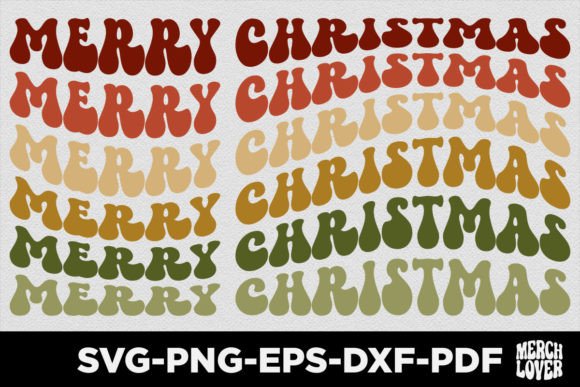
The aesthetic of this design immediately evokes the feeling of a vintage holiday card found in an attic. The retro vibe isn't just a trend; it's a specific texture and color palette choice that resonates deeply with current market tastes. When evaluating any embroidery file, I look at how the shapes hold together. Does the layout feel balanced? Can the eye rest on the focal point without getting lost in noise?
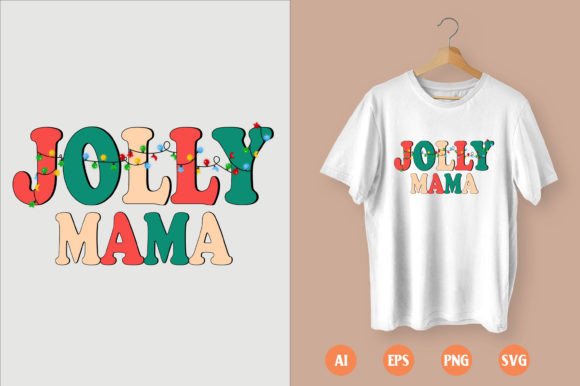
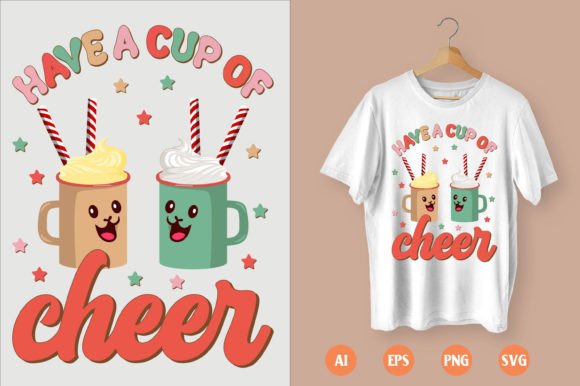
This Christmas Retro T-shirt Design passes that test with flying colors. The composition suggests a central motif surrounded by complementary elements that frame the message perfectly. It feels like a classic satin stitch or fill stitch job waiting to happen. The visual personality is confident but not aggressive. It screams "handmade" rather than "factory mass-produced," which is exactly what buyers on platforms like Etsy are hunting for. Whether you are creating a tote bag design or a sweatshirt embroidery project, this design offers a level of charm that elevates the perceived value of the finished product.
Real-World Application: A Holiday Boutique Scenario
To understand the true utility of this asset, let's walk through a real-life scenario. Imagine it is late October, and you are preparing inventory for your small shop. You have orders coming in for personalized gifts, custom apparel, and boutique branding items. You need something that works across different mediums without requiring a complete redesign.
I decided to test the Christmas Retro T-shirt Design on a few key items. First, I applied it to a cream-colored canvas tote bag. The contrast was excellent, and the retro theme popped beautifully against the natural fabric. Next, I moved to a dark navy hoodie for a more modern, streetwear-inspired look. Here, the design held up well, proving its adaptability as a versatile digital embroidery file.
But the real test came with a baby onesie. For baby embroidery, stitch density and detail size are critical. If the design is too dense, it becomes uncomfortable for a baby's skin. If it is too detailed, the tiny stitches get lost on the small surface area. This design managed to strike a balance. It looks crisp on a onesie but retains enough character to be used on a larger item like a pillow cover or a kitchen towel. This flexibility is gold for a crafter or Etsy seller trying to maximize their time and materials.
Performance Across Different Fabrics and Products
In the world of commercial embroidery, not all fabrics play nice with every design. The Christmas Retro T-shirt Design performs admirably on stable fabrics like cotton twill, felt, and canvas. These are ideal for custom apparel and embroidered patches. However, when moving to stretchy fabrics like jersey knit, caution is required. The retro style often relies on clean lines, and if the fabric stretches during stitching, those lines can warp.
For textured fabrics, such as fleece or heavy wool, the design shines because the texture adds depth to the retro look. It mimics the wear and tear of vintage prints, making it a perfect fit for holiday embroidery projects intended for cozy winter garments. I also tested it on a tea towel. The high contrast and bold shapes work exceptionally well here, turning a simple kitchen staple into a thoughtful personalized gift.
One of the most exciting uses for this design asset is in creating printable mockups. Even before stitching, the vector-like quality of the original graphic makes it easy to visualize on various products. This helps creative entrepreneurs showcase their offerings to clients before committing to production. It bridges the gap between digital planning and physical creation seamlessly.
Critical Considerations and Where to Use Caution
While this is a strong contender for your craft business, there are specific scenarios where you must exercise care. Small hoop sizes are the enemy of complex details. If you are working on a cap or a hat with a limited curvature, ensure the design fits within the available space without crowding the seams. Curved surfaces can distort straight lines, so always check the alignment on the actual garment before running a full batch.
Dense stitch areas can sometimes cause puckering, especially on thin fabrics. If you plan to use this for apparel decorators working with lightweight materials, you may need to adjust the stabilizer or reduce the stitch density slightly. Additionally, while the design is versatile, it might not be suitable for very small items like earrings or buttons where the intricate details would become indistinguishable. Always inspect small details on a scrap piece of fabric first to ensure clarity.
Another factor to consider is thread color contrast. The retro aesthetic often relies on specific color palettes. If you choose threads that clash with the background fabric, the design loses its impact. I recommend testing the design in black and white mockups to ensure the shape holds up regardless of color choices. This is a crucial step for maintaining brand consistency and professional presentation.
Practical Designer Notes for Success
If you are a small shop owner or a hobbyist looking to integrate this appliance design into your workflow, here is my professional advice. First, always test the design on scrap fabric. This simple step saves money and prevents ruined customer orders. Check the thread colors against your specific fabric texture; a design that looks great on white might disappear on light gray.
Review the stitch density carefully. High density creates a luxurious feel but can make the fabric stiff. Low density is lighter but might lack definition. Confirm your hoop size matches the design dimensions to avoid cropping important elements. If you are using this for vinyl decals or other non-fabric applications, verify that the file format supports the necessary cutting paths.
Finally, confirm licensing terms before selling finished items. Are you allowed to sell products made with this design? Is it restricted to personal use only? Understanding these terms protects your handmade product business from legal issues. By following these steps, you ensure that the finished product meets the high standards your customers expect.
The Christmas Retro T-shirt Design is more than just a holiday graphic; it is a tool for building a cohesive brand identity. Its ability to transition from a gift to a commercial product makes it a valuable addition to any designer's library. With careful execution and attention to detail, this design can help elevate your embroidery project results and delight your customers with a touch of nostalgic charm.