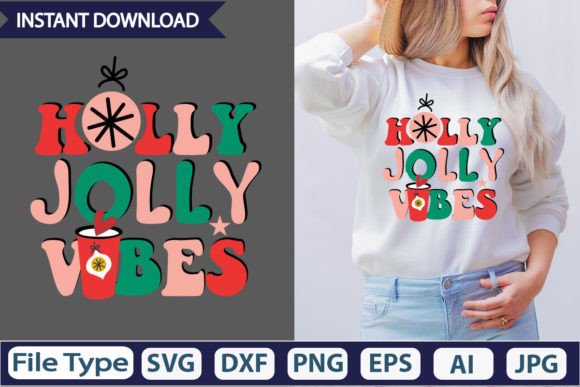
Holly Jolly Vibes Retro Sublimation Review
As someone who has spent years reviewing machine embroidery designs for everything from boutique branding to custom holiday gifts, I approach every new file with a mix of excitement and skepticism. The market is flooded with digital assets, but few truly stand the test of real-world stitching. Today, I am putting Holly Jolly Vibes Retro Sublimation through its paces to see if it belongs in your studio or just another folder on your desktop. This review focuses on practical application, visual impact, and whether this design can elevate your handmade products or commercial projects.
First Impressions: A Nostalgic Holiday Mood
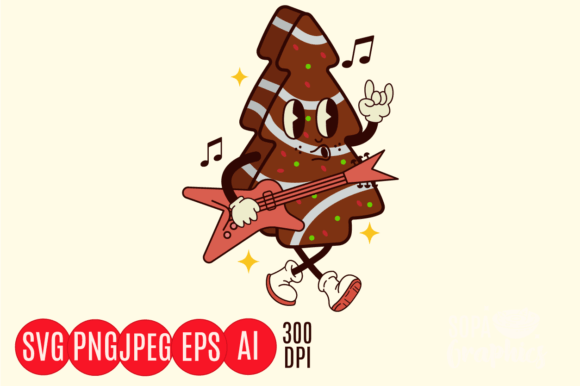
The moment you open the files associated with Holly Jolly Vibes Retro Sublimation, the aesthetic jumps out at you. It isn't trying to be the most intricate floral arrangement or the most complex modern typography. Instead, it leans heavily into a retro vibe that feels warm, inviting, and distinctly festive. The mood is unmistakably nostalgic, reminiscent of vintage Christmas cards and classic winter scenes. For designers looking to create a cohesive collection of holiday items, this piece offers a specific personality that separates it from generic clip art.
Visually, the layout suggests a balanced composition that works well as a focal point. Whether you are planning a large chest print on a sweatshirt or a centered motif on a kitchen towel, the design has enough weight to hold attention without overwhelming the garment. The "Retro" aspect of the title implies a specific color palette and line work that translates beautifully when converted into thread. It feels like a design meant to bring a smile, which is exactly what customers want when they purchase a personalized gift during the holiday season.
Real-World Application: From Sketch to Stitch
To truly understand the potential of this design, I imagined using it in a real client project: a set of matching family holiday sweaters. The goal was to create something that felt cohesive across different garments—adults, children, and even pets. Holly Jolly Vibes Retro Sublimation fits this scenario perfectly. Its clean lines and bold shapes suggest it would stitch up clearly on medium-weight cotton fleece, a common choice for holiday apparel.
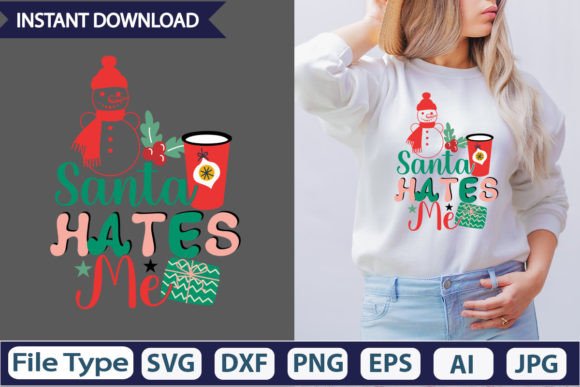
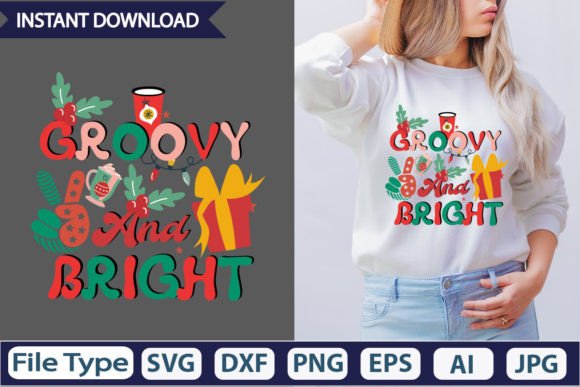
However, the versatility extends far beyond clothing. Consider an embroidered patch for a denim jacket or a tote bag design for a local craft fair. The retro style pairs exceptionally well with textured fabrics like canvas or heavy twill. If you are an Etsy seller creating digital product previews, this graphic serves as a strong anchor for mockups. You could easily visualize this design on a baby onesie, where the soft, rounded edges of the retro elements complement the delicate nature of infant wear. Or perhaps a pillow cover for a nursery, where the cheerful theme adds warmth to a room.
In the context of small business merchandise, consistency is key. Using a design like Holly Jolly Vibes Retro Sublimation allows you to maintain a brand voice that feels established and thoughtful. Customers often look for that "handmade" touch, and a design that balances professional quality with a cozy, vintage feel hits that sweet spot. It transforms a simple white t-shirt or a plain apron into a statement piece that feels curated rather than mass-produced.
Navigating Technical Challenges and Limitations
While the artistic vision is strong, a professional designer knows that execution matters more than concept. There are specific scenarios where Holly Jolly Vibes Retro Sublimation requires careful consideration before hitting the "start" button on your machine. First, let's talk about fabric texture and stability. While this design likely handles standard cotton blends well, applying it to highly textured fabrics like bouclé or extremely thin materials might obscure the details. The retro style relies on clear definition; if the fabric is too slubby or the weave too loose, the satin stitches may not lay flat, resulting in a messy finish.
Stretchy fabrics present another hurdle. If you intend to use this on a knit cap or a stretchy tee, you must ensure you are using the correct stabilizer. Without adequate backing, the tension required for the fill stitches could cause the fabric to pucker, distorting the retro shapes. Similarly, dark fabrics require a different approach. Depending on the underlying colors intended by the sublimation aspect of the original file, you may need to adjust your thread colors or add a tear-away underlay to prevent the base fabric from showing through the design.
Hoop size is also a critical factor. If you plan to place this design on a small item like a baby bib or a cap front, verify that the dimensions fit within your smallest hoop comfortably. Designs with dense stitch areas can become problematic in tight spaces, leading to thread breaks or needle deflection. Always check the stitch density before committing to a full production run. If the design includes tiny lettering or fine decorative accents, these elements are prone to getting lost in the stitching process, especially on curved surfaces like hats.
Impact on Product Value and Customer Trust
The difference between a hobbyist project and a sellable product often lies in the clarity of the final result. Holly Jolly Vibes Retro Sublimation has the potential to significantly boost perceived value. When a customer receives a personalized gift with crisp, well-defined stitching, it signals professionalism and care. The retro aesthetic adds a layer of uniqueness that makes the item feel special, encouraging buyers to share their purchases on social media, which in turn drives engagement for your shop.
For commercial embroidery projects, reliability is paramount. You want a design that consistently produces high-quality results so you don't waste time on re-stitching. This design appears to have a visual personality that resonates with the holiday spirit, making it a safe bet for seasonal collections. However, remember that the file formats provided (SVG, EPS, PNG) are primarily vector and raster graphics suitable for sublimation or screen printing. If you are converting this for embroidery, you must ensure the digitization process preserves the integrity of the original shapes. Check the licensing terms carefully to confirm whether you can sell finished items created with this design.
Essential Designer Notes for Success
Before you download and start stitching, here is my practical advice for working with this asset. Always test the design on scrap fabric first. This step is non-negotiable for verifying how the thread colors interact with your specific material choices. Run a black and white mockup to check contrast levels, ensuring that the design remains legible regardless of the background color.
Review the stitch density and confirm the recommended hoop size for your specific machine. Use a proper stabilizer that matches the weight and drape of your fabric to prevent distortion. If you are selling digital product previews, ensure the resolution of the PNG file is high enough to showcase the details accurately. Finally, compare light and dark fabric backgrounds to determine the best thread combination. If the design includes detailed corners or layered garments, inspect them closely for any potential snagging issues.
Holly Jolly Vibes Retro Sublimation is a versatile tool for creative entrepreneurs, hobbyists, and makers alike. By understanding its strengths and respecting its technical limitations, you can transform a simple digital file into a cherished handmade product. Whether you are building a boutique inventory or crafting a unique gift, this design offers a solid foundation for your next embroidery project. Just remember to do your due diligence on the digitization and testing phases to ensure your finished product reflects the quality of your vision.