Love Christmas Retro Santa: A Designer's Stitch Review
There is a specific kind of magic that happens when you pull up a retro design file and instantly see the potential for a finished product. As someone who has spent years evaluating machine embroidery designs for both personal hobbies and commercial client work, I look for more than just a pretty image. I need to know how it translates from a screen to fabric. Today, I am putting Love Christmas Retro Santa under the microscope to see if it holds up in the hoop.
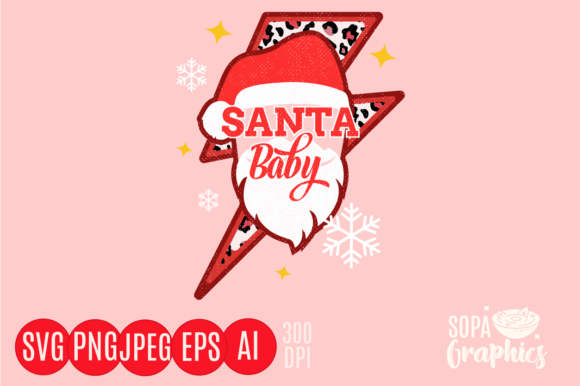
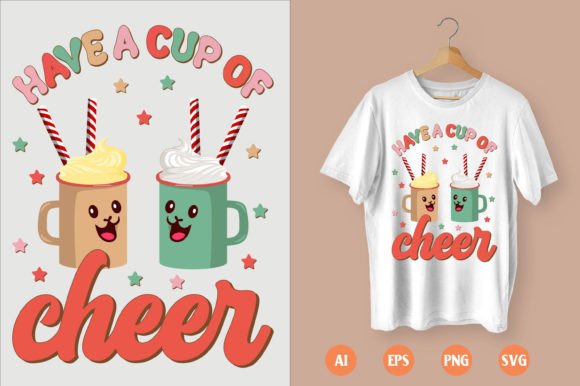
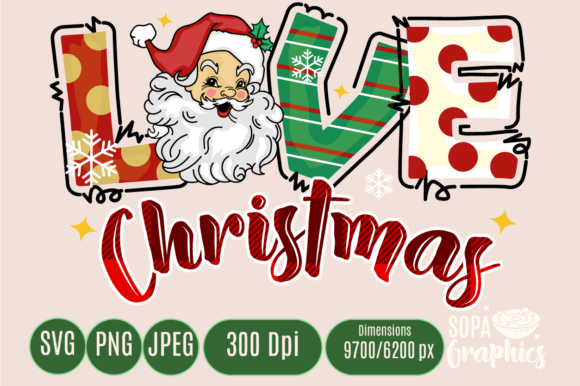
The first impression of this design is immediate warmth. It captures that nostalgic holiday spirit without feeling cluttered or overly busy. The visual personality suggests a cozy sweater, a vintage poster, or a well-loved family heirloom. When I opened the file, the layout felt balanced, with enough negative space to allow the stitching to breathe. This is crucial because even the most beautiful graphics can fail if they are too dense for the chosen thread count. The retro vibes here are strong, making it an ideal candidate for those looking to create unique T-Shirt Designs or Graphics that stand out in a sea of generic holiday stock.
To truly understand the utility of Love Christmas Retro Santa, let me take you through a real-life scenario I recently faced. I was preparing a custom order for a local boutique owner who needed a line of embroidered tote bags for her holiday market. She wanted something that screamed "handmade" but had a modern edge. I pulled up this design as a test run. The concept was to stitch it onto heavy canvas totes, which are popular among crafters and shoppers alike. My goal was to see if the design would maintain its integrity on a textured surface while remaining legible and visually appealing after multiple washes.
When I laid out the design on the canvas, the scale looked perfect. It wasn't so large that it overwhelmed the bag, nor was it so small that it got lost in the weave of the fabric. The retro aesthetic paired beautifully with the natural texture of the canvas, creating a product that felt authentic and grounded. I imagined customers picking these bags up at a craft fair, seeing the distinct style, and immediately recognizing the quality. That recognition is what drives sales for any Etsy seller or small shop product owner. If the design feels cheap or poorly executed, the perceived value of the entire item drops. Love Christmas Retro Santa carries a level of professionalism that elevates the final piece.
However, not every project is a tote bag. The versatility of this design depends heavily on where you decide to apply it. For instance, consider using it for sweatshirt embroidery on a fleece pullover. The softness of the fabric usually accommodates fill stitches well, allowing the retro colors to pop against the dark background. But, if you were planning to use this for baby embroidery on a onesie made of thin cotton, you would need to be extremely careful. Thin fabrics can pucker easily if the stitch density is too high. In such cases, the design might require a lighter touch or a different stabilizer choice to prevent the garment from warping.
I also had to consider the limitations of the design regarding hoop size. While the file looks great on a standard 4x4 inch frame, applying it to smaller items like embroidered patches or cap fronts requires precision. Curved surfaces, such as baseball caps, present a unique challenge. The design needs to flow with the curve of the hat without distorting the letters or the central figure. If the original file does not account for curvature, the result might look stretched or misaligned. Before committing to a production run for custom apparel, it is always wise to test the design on a scrap piece of the actual material you intend to use.
One of the most critical aspects of any embroidery project is the choice of thread colors. The retro theme relies on a specific palette—likely deep reds, forest greens, creams, and blacks. On a light-colored fabric, the contrast will be sharp and clear. However, if you attempt to stitch this on dark fabric without a proper underlay or white backing, the colors may appear muddy. I recommend running a quick check in black and white mockups to ensure the design maintains its shape regardless of color. This step is vital for maintaining brand consistency across different product lines, especially for digital product sellers creating printable mockups for their listings.
For those of you running a craft business, understanding the durability of the design is key. Products like kitchen towels or pillow covers undergo frequent washing and handling. The satins stitch areas must be secure, and the running stitch details should not fray over time. If the design includes tiny lettering or intricate corners, these are the first areas to suffer wear and tear. I advise inspecting these small details closely before finalizing your finished product. A design that looks good in the software might lose definition once stitched, particularly if the thread colors chosen do not provide enough contrast against the fabric texture.
Let's talk about the practical steps you should take before hitting the start button on your machine. First, always test the design on scrap fabric. This simple habit saves money and frustration. Check the stabilizer type; a cut-away stabilizer is often necessary for stretchy fabrics like those used in holiday gifts or wedding gifts to prevent shifting. Confirm the hoop size matches your intended application. If you are working with a commercial embroidery setup, ensure the file resolution is sufficient for the output size you need.
Another important consideration is licensing. Many designers sell files for personal use only, while others allow commercial rights for finished goods. Before you start mass-producing small shop merchandise or selling personalized products, verify the terms. You do not want to risk legal issues down the line. If the license allows for commercial use, you can confidently list these items on platforms like Etsy or at local craft fairs. The peace of mind knowing you have the right to sell your work is invaluable.
In conclusion, Love Christmas Retro Santa is a strong contender for anyone looking to add a touch of nostalgia to their holiday collection. Its retro charm makes it suitable for a wide range of applications, from tote bag design projects to apron embroidery for home cooks. It strikes a balance between detail and simplicity that works well for both hobbyists and professionals. By paying attention to fabric choice, stabilizer usage, and thread selection, you can ensure that the final result meets the high standards your customers expect. Whether you are creating a handmade product for a loved one or building a brand with design assets that sell, this design offers a solid foundation for success. Just remember to test, adjust, and trust your eye as a designer. The best results come from thoughtful preparation and a keen understanding of how digital files translate into tangible art.