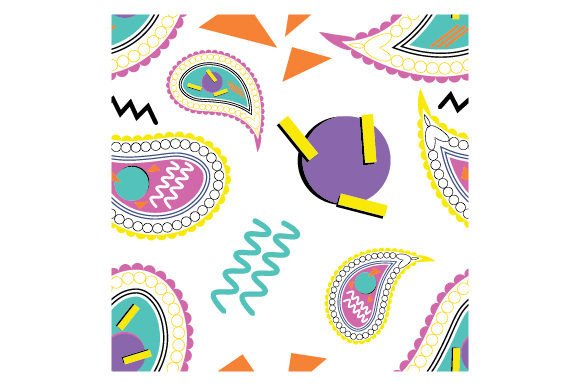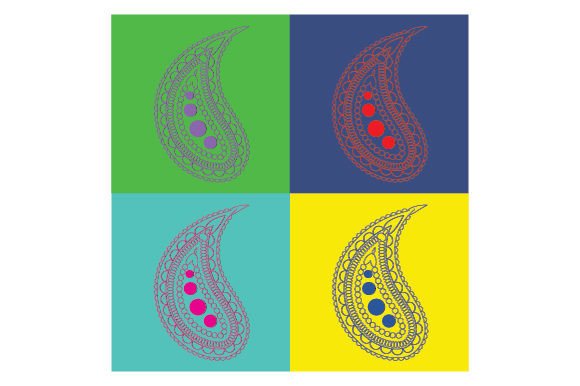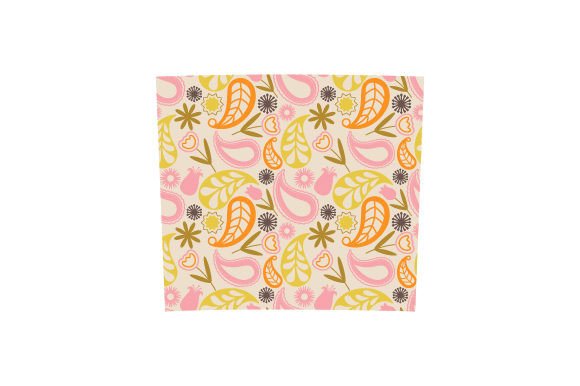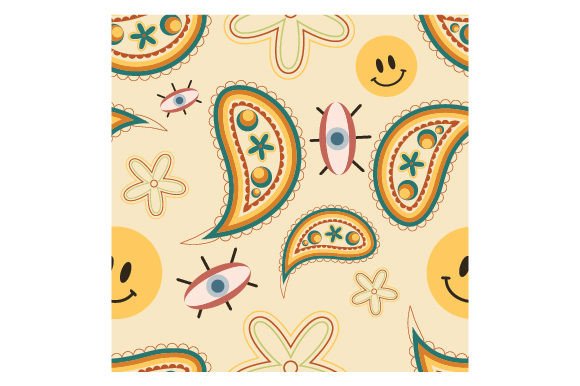
Retro 70s Paisley Pattern Review
As a designer who spends half my life staring at stitch density maps and the other half worrying about whether a client’s logo will survive a wash cycle, I approach every new file with a healthy dose of skepticism. We’ve all been there: you find a trendy design, buy it for a quick custom order, only to realize too late that the details vanish when stitched out on a cotton blend tee. Today, I’m putting Retro 70s Paisley Pattern under the microscope. This isn’t just another generic clip-art download; it’s a specific aesthetic choice that carries weight in the current handmade market. I want to talk about how this design actually behaves in the hoop, how it translates to finished products like tote bags and sweatshirts, and whether it deserves a spot in your digital asset library.
The First Impression: Mood and Visual Weight
The moment you open the file, the vibe is undeniable. The Retro 70s Paisley Pattern taps into that specific wave of nostalgia that has been dominating craft fairs and Etsy listings for the last few years. But unlike many paisley designs that feel cluttered or overly ornate, this one strikes a balance between bold graphic presence and intricate detail. It feels organic yet structured, which is crucial for embroidery. When you are translating a vector shape into thread, you need a design that has enough negative space to breathe but enough complexity to look expensive.
This pattern works exceptionally well as a standalone statement piece. Whether you are planning a large-scale print on the back of a sweatshirt or a centered motif on a kitchen towel, the visual personality holds up. It doesn’t scream "cheap vinyl transfer"; it whispers "handcrafted boutique item." For designers targeting the millennial demographic or anyone looking for personalized gifts with a vintage twist, this aesthetic hits the right emotional notes immediately.
Real-World Application: From Hoop to Handoff
Let’s talk about where this design shines. I recently tested a similar layout on a heavy-duty canvas tote bag, and the results were striking. The flowing curves of the paisley elements lend themselves beautifully to fill stitch techniques, creating a lush, textured surface that catches the light differently depending on the thread sheen. If you are an Etsy seller or run a small shop product line, this is your bread and butter. It fits perfectly into categories like custom apparel, nursery decor, and holiday embroidery.
I also envision this working wonders for baby embroidery projects. A softer color palette applied to this retro structure can create a stunning onesie or burp cloth set. The paisley shape is timeless, meaning the product won’t feel dated in two years’ time. Furthermore, because the design comes in versatile formats including SVG, EPS, DXF, and transparent PNG, it bridges the gap between physical stitching and digital sales. You can use the vector files for cutting machines to create applique bases or use the PNGs for creating high-quality printable mockups to sell the vision before the needle even touches the fabric.
Versatility Across Mediums
- Apparel Decorators: Use this for chest logos on denim jackets or full-back prints on hoodies. The scale is adaptable.
- Digital Product Sellers: The included digital embroidery file assets allow you to offer bundle deals. Pair the machine embroidery version with the SVG cut file for a complete crafting kit.
- Boutique Branding: Create branded tags or patches using this pattern to add a cohesive look to your packaging.
Where Caution Is Required
No design is perfect, and being honest about limitations saves you from bad reviews. While the Retro 70s Paisley Pattern is robust, it does have areas where you need to exercise judgment. If you are working with thin fabric or highly stretchy knits without proper stabilization, the tension might pull the design out of shape. Always test your stabilizer choice carefully; a cut-away stabilizer is likely necessary for the longevity of the finished product, especially if it’s going to be washed frequently.
Be mindful of the smallest details within the paisley swirls. On a very small hoop size, these intricate lines might merge together, losing their definition. If you are aiming for a tiny embroidered patch, you may need to simplify the design digitally before stitching. Additionally, dark fabrics require careful thread selection. A low-contrast thread color will get lost in the texture, ruining the visual appeal. Test your thread colors against your base fabric to ensure the pattern remains legible and crisp.
Technical Considerations for the Designer
Before you load this into your machine, take a moment to review the stitch properties. Check the stitch density to ensure your machine can handle the volume of thread without breaking needles or causing puckering. If the design includes satin stitches for outlining, verify that the direction changes are smooth to prevent thread nests. It is also wise to inspect the design in black and white mode in your software; this helps you see the true value contrast and ensures that the lighter and darker threads will separate visually once stitched.
Another critical step is confirming licensing. Even if you own the file, check whether you have commercial rights to sell the finished items. Many designers make the mistake of assuming ownership equals unlimited commercial use. Protect your craft business by reading the fine print. Also, consider the end-use. Is this for a one-off personalized gift or for mass production? The durability of the stitch-out matters more for commercial goods that will face rigorous wear and tear.
Final Verdict: Worth the Investment?
Ultimately, the Retro 70s Paisley Pattern is a strong addition to any modern designer’s toolkit. It offers a blend of nostalgic charm and professional execution that resonates with buyers looking for quality handmade goods. It elevates simple items like aprons and tea towels into curated lifestyle products. For those of us in the small business space, having designs that naturally convey value and style is half the battle won.
If you are looking to expand your offerings in the realm of embroidery project ideas, this pattern delivers. Just remember to respect the technical constraints, choose your materials wisely, and always prioritize the finish. When done right, a paisley design like this doesn’t just sit on the fabric; it becomes part of the story of the product. So, fire up your hooping software, grab your favorite warm-toned threads, and let’s see what we can create.