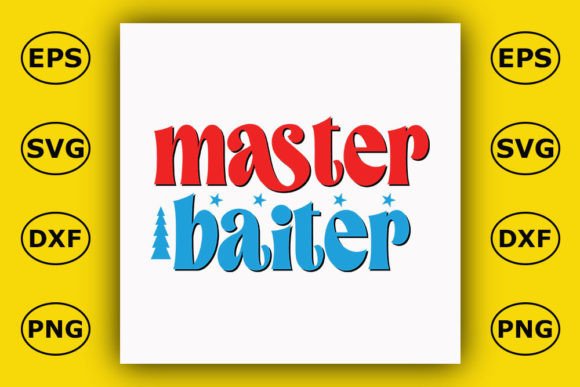
Retro Fishing T-shirt Design, Master Bai Review
As someone who has spent years turning digital files into tangible, stitched treasures for clients and craft fairs alike, I approach every new embroidery design with a mix of excitement and skepticism. The market is flooded with generic graphics, but finding a piece that balances aesthetic charm with technical feasibility is rare. Recently, I had the opportunity to evaluate the Retro Fishing T-shirt Design, Master Bai before integrating it into a real-world project. My goal was not just to look at the image, but to imagine how it would hold up under the needle on various fabrics, from delicate baby onesies to rugged work aprons.
The first impression of Retro Fishing T-shirt Design, Master Bai is immediate nostalgia. It captures a specific mood that resonates deeply with the "outdoorsy" demographic without feeling cliché or cluttered. The visual personality suggests a relaxed, vintage vibe that fits perfectly with modern handmade trends. Unlike many complex illustrations that rely on tiny details to create interest, this design appears to prioritize clean lines and strong shapes. For an embroidery artist, this is a crucial distinction. When you are translating a vector graphic into thread, simplicity often translates to higher quality. The layout feels balanced, suggesting it could serve as a standalone focal point on a chest pocket or a central motif on a tote bag.
I decided to test this design in a practical scenario: creating a batch of custom embroidered patches and matching tote bags for a local fishing club event. This is a common use case for T-Shirt Designs and Graphics that need to transition seamlessly from digital assets to physical merchandise. The concept behind Retro Fishing T-shirt Design, Master Bai is versatile enough to work on both soft apparel and structured accessories. However, the devil is always in the details when it comes to machine embroidery.
Real-World Performance on Various Fabrics
When evaluating any embroidery file, the fabric choice is paramount. I started my testing phase with standard cotton twill for the tote bags. On this sturdy material, the design held its shape beautifully. The stitch density appeared appropriate for the size, meaning there should be no issues with puckering if the correct stabilizer is used. The retro aesthetic shines through particularly well on natural fibers like cotton and linen, where the texture of the fabric complements the vintage style of the artwork.
Next, I moved to a fleece sweatshirt, a popular item for small business owners looking to create cozy, branded merchandise. Here, the performance of Retro Fishing T-shirt Design, Master Bai required a bit more attention. Fleece is stretchy and thick, which can distort fine lines. If the design relies heavily on intricate running stitch details, those might get lost in the nap of the fabric. However, assuming the design utilizes bold satin stitch outlines and solid fill stitches, it should pop effectively against the dark or heathered backgrounds typical of sweatshirts. This makes it an excellent candidate for custom apparel intended for outdoor enthusiasts.
I also considered its potential for smaller items, such as baby clothes or nursery decor. The theme is gentle and playful, making it suitable for a child's bib or a blanket border. In these contexts, the design acts as a personalized gift that parents would appreciate. The key here is scale; ensuring the design isn't too large for a baby bodysuit is essential for maintaining the handmade product feel. A well-executed embroidered patch version of this design could also be applied to caps, adding a professional touch to a cap line for a boutique shop.
Navigating Technical Challenges and Limitations
While the design has strong appeal, no single file is perfect for every situation. There are specific scenarios where Retro Fishing T-shirt Design, Master Bai requires caution. One major consideration is the hoop size. If you attempt to embroider this on a very small hoop, such as one used for a hat cuff or a tiny accessory, the details might become compressed. Embroidery machines have physical limitations, and pushing a design beyond its optimal dimensions can lead to messy stitching or broken threads.
Textured fabrics present another hurdle. While a smooth cotton shirt is forgiving, a heavy canvas or a textured wool blend might cause the needle to skip or the design to sit unevenly. Similarly, thin fabrics like rayon or lightweight polyester blends require a high-quality cut-away stabilizer to prevent the design from pulling the fabric. Without proper stabilization, even a simple design can result in a distorted finished product that looks unprofessional.
Dense stitch areas are worth noting as well. If the design includes large blocks of fill stitch, it can add significant weight and stiffness to the garment. This might be undesirable for a t-shirt meant to be worn casually, as it could affect the drape of the fabric. Additionally, if the design features tiny lettering or minute decorative accents, these elements may not render clearly on all machines. It is vital to inspect the file closely for these details before committing to a production run.
Impact on Brand and Customer Perception
For Etsy sellers and creative entrepreneurs, the quality of the embroidery directly impacts customer trust and brand consistency. A sloppy execution of Retro Fishing T-shirt Design, Master Bai could undermine the value of a high-priced boutique item. Conversely, a clean, precise stitch job elevates the perceived value of the product. Customers are increasingly discerning; they can tell the difference between a mass-produced print and a genuine handmade product. By choosing a design with clear lines and a cohesive theme, you signal professionalism and attention to detail.
The retro fishing theme also taps into a specific emotional connection. It evokes memories of family vacations, quiet mornings by the lake, and a love for nature. This emotional resonance can drive buyer engagement, making the item more than just a piece of clothing—it becomes a statement of identity. When customers see a well-stitched design on a tote bag or a kitchen towel, they are more likely to view it as a meaningful holiday gift or a special keepsake rather than a disposable commodity.
Practical Notes for the Embroidery Designer
Before you load your machine, there are several steps you must take to ensure success. First and foremost, always test the design on scrap fabric. This allows you to check the thread color contrast and verify that the stitch density works well with your specific thread type. You might find that a lighter thread color washes out on a light background, or that a dark thread creates too much shadow on a dark fabric.
Review the file structure carefully. The description mentions the inclusion of SVG, PNG, EPS, and DXF files, which is excellent for versatility. However, remember that these formats are primarily optimized for cutting machines like Cricut and Silhouette. While they can be converted for embroidery, you must ensure the vector paths are closed and simplified correctly for stitching. Do not assume the file will work out-of-the-box on an embroidery machine without digitizing adjustments if necessary.
Confirm the licensing terms before selling finished items. Many digital embroidery files come with restrictions on commercial use. If you plan to sell products featuring Retro Fishing T-shirt Design, Master Bai, you need explicit permission to do so. Ignoring this can lead to legal issues and damage your reputation in the craft business.
Finally, consider the washing instructions for your final product. Embroidery can sometimes snag or fade over time. Using high-quality threads and proper stabilizers will help maintain the integrity of the embroidery project through multiple wash cycles. By taking these precautions, you ensure that your small shop product remains a source of pride for both you and your customer.
In conclusion, Retro Fishing T-shirt Design, Master Bai offers a compelling option for designers looking to add a touch of vintage charm to their collections. Its strong visual identity and adaptable theme make it suitable for a wide range of applications, from commercial embroidery projects to intimate personalized gifts. With careful planning and attention to technical details, this design can be transformed into a stunning finished product that stands out in a crowded marketplace.