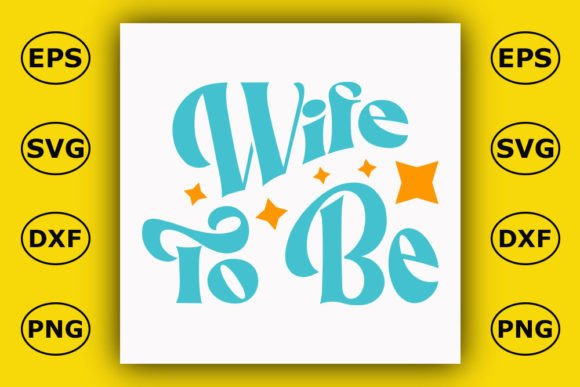
Retro Wedding Design, Wife to Be Review
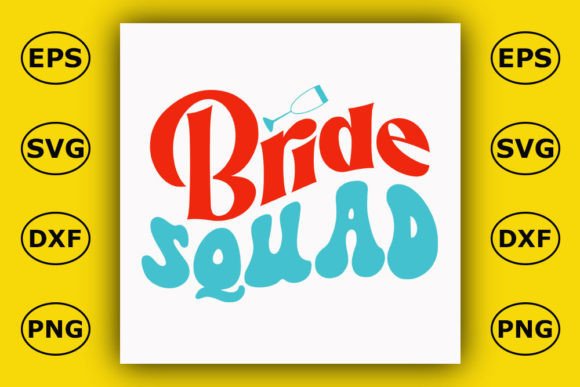
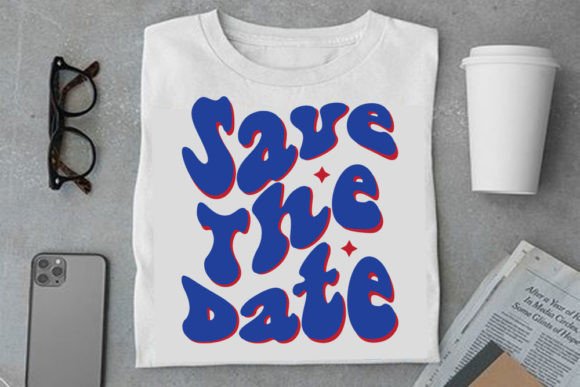
When I first opened the files for Retro Wedding Design, Wife to Be, my immediate thought wasn't about the file formats or the compatibility with cutting machines. It was about the vibe. As someone who has spent years turning digital graphics into tangible, stitched reality for clients and personal projects, I know that a design's success often comes down to its soul before it ever hits the hoop. This piece carries a distinct nostalgic energy that feels perfect for the current market of handmade goods. It strikes a balance between playful and elegant, which is a tricky tightrope to walk in embroidery.
The visual personality of this design suggests it belongs in spaces that celebrate milestones without being overly formal. The retro aesthetic gives it a timeless quality that appeals to crafters looking for something unique rather than generic. Whether you are an Etsy seller preparing a boutique collection or a hobbyist making a gift for a best friend, the mood here is inviting. It doesn't scream "wedding" in a traditional sense; instead, it whispers it with style, making it ideal for the modern bride-to-be who wants to show off her status with a touch of vintage flair.
From Screen to Stitch: A Real-World Scenario
To truly understand how Retro Wedding Design, Wife to Be performs, let's imagine a specific project. I recently had a client request a custom embroidered tote bag for a bridal shower she was hosting. She wanted something reusable, durable, and stylish enough that the guests would actually want to use it after the party. The brief was simple: nothing too frilly, but definitely celebratory.
I pulled up the design files and immediately saw the potential. The layout of the text and any accompanying graphics in Retro Wedding Design, Wife to Be seemed to have plenty of breathing room, which is crucial for a machine embroidery design on a canvas tote. I tested the stitch density mentally against the fabric texture of heavy-duty cotton. Unlike thin fabrics that might pucker under dense fill stitches, a sturdy tote bag can handle a good amount of thread coverage. The retro curves of the lettering would translate beautifully into satin stitch, creating that smooth, glossy finish that catches the light.
The result was a finished product that felt professional and high-value. The customers loved it because it didn't look like a mass-produced item from a big-box store. It looked like something made with care. The design's ability to stand out on a neutral background while still feeling cohesive with other wedding elements made it a star in the final presentation. It proved that a well-chosen graphic can elevate a simple accessory into a cherished keepsake.
Where This Design Shines in Your Craft Business
If you are running a small shop or selling at craft fairs, knowing where to apply your assets is half the battle. Retro Wedding Design, Wife to Be is incredibly versatile across various categories of apparel and home decor. For sweatshirt embroidery, the design works exceptionally well on the chest area or even as a larger back print. The retro theme pairs naturally with vintage-style fonts found on many graphic tees, making it a great choice for matching outfits for bachelorette parties.
Beyond clothing, consider baby items. Embroidered onesies or bibs featuring this design make for personalized gifts that parents will keep forever. The softness of baby clothes requires careful consideration of stitch density, but if the design allows for some open areas, it can be stunning. You could also adapt this for holiday embroidery, perhaps as part of a Christmas gift exchange where the recipient is expecting a new addition to the family.
For digital product sellers, this design serves as a powerful asset. Creating printable mockups that showcase the design on different backgrounds—like a dark denim jacket or a cream-colored pillow cover—can significantly boost buyer engagement. When potential buyers see how the design looks in context, they are more likely to trust the quality of the finished product. It helps bridge the gap between a static image and a tactile reality.
Critical Considerations for Embroidery Success
However, not every surface is created equal, and there are specific scenarios where you need to exercise caution. If you plan to use this on a curved surface like a cap or a hat, the distortion of the design must be carefully managed. While the retro style might forgive minor stretching, complex details in tiny corners could get lost when wrapped around the curve of a visor. Always inspect small details closely before committing to the final run.
Textured fabrics present another challenge. While a linen shirt might look chic with a rustic embroidery feel, highly textured materials can sometimes hide the finer points of a satin stitch. Thin or stretchy fabrics require a robust stabilizer to prevent puckering. If the design includes dense stitch areas, you must ensure the underlying fabric can support the weight of the thread without warping. Dark fabrics are another factor to consider; you will need to select thread colors that offer sufficient contrast to maintain stitching clarity and visual appeal.
Products that need frequent washing, such as aprons or kitchen towels, demand durability. Ensure that the design structure is sound and that the thread choices are colorfast. A design that fades or pulls apart after a few washes will damage your reputation as a maker. Conversely, decorative accents on items like pillow covers or blankets that see less wear allow for more experimental approaches to thread types and densities.
Practical Notes for the Designer
Before you start stitching, there are essential steps to take to ensure your Retro Wedding Design, Wife to Be project is a success. First, always test the design on scrap fabric that matches your intended project material. This allows you to check thread color contrast and review stitch density without risking your final product. Seeing the design in black and white mockups can also help you visualize how the negative space interacts with the fabric.
Confirming the correct hoop size is vital. If the design exceeds your machine's standard hoop dimensions, you may need to split the embroidery or adjust the placement strategy. Use proper stabilizer for the fabric type you are working with; this is non-negotiable for achieving a clean finish. Inspect the small details of the file to ensure they are large enough to be stitched clearly. Sometimes, what looks fine on a screen becomes illegible when reduced to thread thickness.
Finally, verify the licensing terms. If you intend to sell finished items using this design, you must confirm that the license permits commercial use. Many digital products come with restrictions on how they can be used in physical goods. Understanding these terms protects you and ensures you are building your brand on solid legal ground. By taking these practical steps, you transform a simple graphic into a professional, high-quality component of your creative workflow.
In conclusion, Retro Wedding Design, Wife to Be offers a compelling option for anyone looking to add a touch of vintage charm to their embroidery projects. Its versatility makes it suitable for everything from custom apparel to personalized gifts, provided you pay attention to the technical nuances of the medium. With the right preparation and execution, this design can become a standout piece in your portfolio, delighting customers and enhancing the perceived value of your handmade creations.