Reviewing the Retro Sunset Design for Real Embroidery Work
As a designer who has spent years evaluating embroidery files for both personal projects and client work, I approach every new download with a mix of excitement and skepticism. The market is flooded with digital assets, but finding a machine embroidery design that actually translates well from a screen to fabric is a different story. Today, I am putting the Retro Sunset Design through its paces to see if it holds up in a real-world scenario. This isn't just about looking at a pretty image; it is about understanding how the stitches will behave, how the thread colors interact with fabric textures, and whether this file can truly elevate a handmade product.
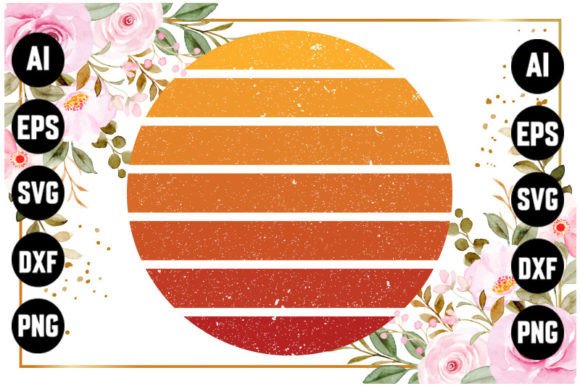
The first impression of Retro Sunset Design is undeniably warm. It captures that nostalgic, mid-century aesthetic that has become a staple in modern craft shops. When I opened the folder, which includes a variety of formats like SVG, DXF, and high-resolution PNGs, I immediately thought about where this visual personality fits best. The layout suggests a large, bold statement piece rather than a subtle accent. With dimensions reaching 15 inches by 18 inches, this is a substantial graphic intended to dominate the canvas. It feels perfectly suited for a custom sweatshirt or a large tote bag, where the retro vibe can shine without being cramped by smaller hoop sizes.
From Digital File to Finished Product: A Real Scenario
To truly test the viability of this asset, imagine you are an Etsy seller preparing for the holiday season. You have a batch of organic cotton tote bags ready for a "Summer Vibes" collection. You decide to feature the Retro Sunset Design as the centerpiece. In your mind, you are already seeing the final product: a vibrant gradient of oranges and purples stitched onto natural canvas, evoking a sense of warmth and nostalgia that customers love.
However, the transition from a digital preview to a physical embroidery project requires careful planning. Because the file size is quite large at 15x18 inches, you cannot simply throw it into a standard 4x4 hoop. You would need a multi-hoop setup or a larger commercial machine. If you are working on a small shop product like a baby onesie or a cap, this design might be overwhelming. The scale works beautifully for apparel decorations like aprons or pillow covers, where the background space allows the intricate details of the sunset to breathe. For a boutique branding item, such as a large banner or a display backdrop, the clarity of the Retro Sunset Design ensures that the brand message remains legible even from a distance.
Stitch Density and Fabric Considerations
One of the most critical aspects of reviewing any embroidery file is analyzing the stitch density and the types of stitches used. While the specific stitch count is not provided in the initial download description, the visual complexity of a sunset gradient usually implies a heavy use of fill stitches and satin stitches to create smooth color transitions. When working with Retro Sunset Design, you must consider the fabric texture you are using. On a sturdy twill or denim, these dense fills will lay flat and look professional. However, if you attempt to stitch this on a thin, stretchy fabric like a lightweight t-shirt or a jersey knit without proper support, you risk puckering and distortion.
This brings us to the importance of stabilizer. For a design of this magnitude, a cut-away stabilizer is often necessary to maintain the shape over time, especially if the item is destined for frequent washing. If you are creating a personalized gift, such as a family reunion shirt or a wedding guest towel, the durability of the stitching is paramount. The Retro Sunset Design relies on clear lines and defined shapes; if the fabric shifts during the process, those clean edges could become jagged, ruining the visual appeal and potentially lowering customer trust in your craftsmanship.
Where to Exercise Caution
While the Retro Sunset Design is visually striking, there are specific scenarios where it might not be the best choice. Small hoop sizes are the first limitation. Trying to fit a 15-inch wide design into a 6-inch hoop is impossible without digitizing adjustments that could alter the original artistic intent. Similarly, textured fabrics like bouclé or heavy fleece can obscure the finer details of the design. The contrast between the thread and the fabric is also crucial. If you plan to use this for commercial embroidery on dark garments, you must ensure you have enough underlay and topstitch thread coverage to make the colors pop. A light pastel sunset on black fabric might require additional layers, increasing the stitch count and potential for needle breakage.
Curved surfaces, such as caps or beanies, present another challenge. The design features sweeping curves that mimic the horizon line. On a flat surface, these flow naturally. On a curved hat, the perspective can distort, making the sun appear tilted or uneven. Unless you have advanced digitizing skills to adjust the angle specifically for the curve, it is safer to reserve this design for flat items like tote bags, tea towels, or wall hangings. Additionally, if you are selling digital embroidery files yourself, remember that clients using this design on very small items may encounter frustration if they do not resize the artwork appropriately before stitching.
Visual Appeal and Brand Consistency
In the world of handmade products, presentation is everything. The Retro Sunset Design offers a distinct mood that can instantly elevate a simple item into a premium product. The retro theme resonates with current trends, making it highly recognizable and desirable for buyers looking for unique, artisanal goods. When used correctly, the design enhances the perceived value of the finished product. A tote bag featuring this design does not just carry groceries; it carries a statement. This level of detail fosters a connection between the maker and the buyer, encouraging repeat business and positive reviews.
For creative entrepreneurs and small business owners, consistency is key. Using a high-quality design like Retro Sunset Design helps maintain a cohesive brand identity across various platforms, from Etsy listings to physical craft fair booths. The inclusion of multiple file formats (JPG, DXF, SVG, EPS, AI) ensures that you can create printable mockups for marketing materials that match the actual embroidered result. This transparency builds confidence in your customers, showing them exactly what they are purchasing. Whether you are designing a holiday gift set or a summer collection, the versatility of the design assets allows you to adapt the theme to different contexts while keeping the core aesthetic intact.
Practical Designer Notes Before You Stitch
Before you commit to a full production run, there are essential steps every professional should take. First, always test the design on scrap fabric. This allows you to gauge the tension, check the thread color contrast, and inspect how the satin stitch handles the edges. Review the stitch density visually; if the design looks too dense, it may feel stiff and uncomfortable against the skin. Confirm the hoop size requirements early to avoid interruptions during the sewing process.
It is also wise to test the design in black and white mockups to ensure the composition works regardless of color variations. Compare how the design performs on both light and dark backgrounds to determine the best thread palette. If you intend to sell finished items commercially, double-check the licensing terms included with the Retro Sunset Design package. Some digital products restrict commercial use or require attribution. Finally, ensure you are using the correct stabilizer for the fabric type to prevent shifting and maintain the integrity of the finished product.
The Retro Sunset Design is more than just a graphic; it is a tool for expression. By understanding its strengths and limitations, you can create stunning, durable pieces that stand out in a crowded marketplace. Whether you are a hobbyist making gifts or a seasoned Etsy seller scaling your business, taking the time to evaluate the design's practical application is the difference between a good project and a great one.