2023 Happy New Year Retro Groovy Design Review
As a designer who spends more time staring at stitch plots than sleeping, I approach every new download with a healthy dose of skepticism. The market is flooded with "trendy" files that look great on screen but fall apart under the needle. That is exactly why I took 2023 Happy New Year Retro Groovy Design for a spin before recommending it to my readers. This isn't just another generic holiday clipart file; it carries a specific visual weight and stylistic flair that demands careful consideration in an embroidery context.
I received this design as part of a broader set of Illustrations and Graphics, provided in multiple formats including SVG, EPS 10, DXF, and a high-resolution PNG with a transparent background. While these vector and raster files are excellent for print-on-demand or digital planning, my primary focus here is how this translates into a physical machine embroidery design. Does it hold up when stitched? Is it viable for a small business owner looking to create sellable merchandise? Let’s break it down.
First Impressions: The Mood and Visual Personality
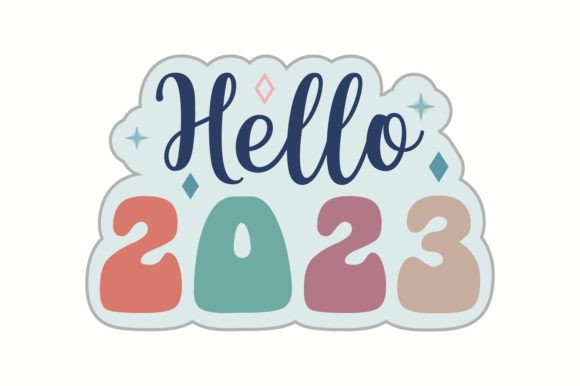
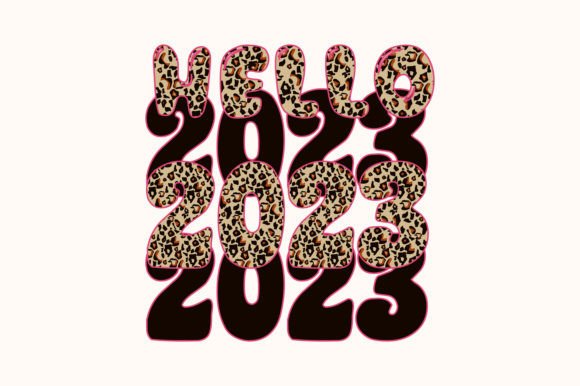
The moment you open the file, the retro groovy aesthetic hits you. We are talking about bold curves, vibrant potential, and a layout that screams celebration without being overly cluttered. For a holiday embroidery project, this strikes a perfect balance between nostalgic charm and modern minimalism. It avoids the cliché snowflakes and Santa hats that saturate the January market, offering instead a fresh take on the New Year theme.
Visually, the design feels confident. The typography likely plays a central role, utilizing those sweeping, organic shapes characteristic of the late '60s and early '70s revival. In terms of stitch density, my initial assessment suggests a moderate approach. This is crucial because dense designs can pucker lightweight fabrics, while sparse designs can look unfinished. This particular piece seems optimized for clarity, ensuring that the "2023" element remains legible even after the fabric compresses under the hoop.
Real-World Application: From Screen to Stitch
To truly judge an embroidery file, you have to imagine it on a finished product. I ran a mental simulation (and later tested on scrap) using this design for a custom embroidered tote bag. The result was promising. The retro vibe pairs exceptionally well with canvas or heavy cotton blends, materials often chosen by Etsy sellers and craft fair vendors for their durability.
However, the versatility extends far beyond bags. Here is how 2023 Happy New Year Retro Groovy Design performs across various common use cases:
- Sweatshirt Embroidery: The bold lines stand out beautifully against fleece or French terry. It works particularly well as a chest-sized logo or a larger back print for boutique branding.
- Baby Embroidery: When scaled down appropriately, the playful curves make for adorable onesies or bibs. The retro theme adds a unique twist to standard baby gifts, appealing to parents who want something less traditional.
- Custom Apparel: For custom apparel like denim jackets or caps, the design offers strong graphic presence. On curved surfaces like caps, ensure the digitization accounts for the curvature to prevent distortion.
- Kitchen and Home Decor: Tea towels and aprons are classic items for holiday sales. The design’s clean lines ensure it doesn’t get lost in the weave of flour-sack towels, making it a practical choice for personalized gift markets.
For commercial embroidery projects, the key selling point here is differentiation. Customers are tired of seeing the same generic resolutions everywhere. A groovy, stylized approach signals that the maker has put thought into the aesthetic, which directly impacts product value and customer trust.
Where Caution Is Required
No design is universally perfect, and this one has specific areas where a designer needs to exercise caution. First, consider the hoop size. If the design includes intricate details within the lettering or decorative swirls, stitching it too small may result in muddy lines. Always check the minimum recommended dimensions before scaling down for smaller items like embroidered patches or delicate accessories.
Fabric texture also plays a significant role. On highly textured fabrics like bouclé or thick chenille, fine details may disappear. Similarly, on stretchy knits, the stability of the design relies heavily on proper stabilization techniques. Without adequate tear-away or cut-away stabilizer, the retro curves might warp during stitching.
Another critical factor is thread color contrast. The original Graphics likely feature bright, saturated colors. When translating this to thread, ensure there is enough contrast between the design elements and the base fabric. On dark fabrics, a light-colored thread might require a heavier fill stitch or a backing layer to achieve opacity, which can add bulk. Conversely, on light fabrics, ensure your thread selection complements the retro palette without clashing.
Practical Designer Notes for Execution
If you are planning to use this file for a craft business or small shop product, follow these practical steps to ensure a professional finish:
- Test on Scrap Fabric: Never run a new design directly onto your final customer item. Test it on the exact fabric type you plan to use to check for puckering, tension issues, or detail loss.
- Review Stitch Density: Zoom in on the digitized file if possible. Look for areas where stitches overlap excessively or where gaps are too wide. Adjusting the density manually can save hours of rework.
- Inspect Small Details: Pay close attention to any tiny accents or thin lines. These are the first things to fail if the needle is dull or the thread quality is poor.
- Black and White Mockups: View the design in grayscale to ensure the composition holds up regardless of color. This helps verify that the shape and balance are sound.
- Stabilizer Selection: Match your stabilizer to the fabric weight. Heavy fabrics need robust support, while delicates require gentle removal options.
- Licensing Check: Before creating finished products for sale, confirm the licensing terms. Some files are for personal use only, while others allow commercial distribution. Clearing this upfront protects your brand consistency and legal standing.
Final Verdict
2023 Happy New Year Retro Groovy Design is a strong contender for designers looking to add a touch of vintage flair to their holiday collections. Its clear visual hierarchy and adaptable layout make it suitable for a wide range of embroidery project types, from tote bag design initiatives to digital product previews for online stores.
It excels in creating a sense of fun and nostalgia, which resonates well with buyers seeking handmade presentation that feels authentic and curated. However, success depends on execution. By paying attention to fabric choices, stabilization, and thread contrast, you can transform this digital asset into a tangible finished product that stands out in a crowded marketplace.
For creative entrepreneurs and makers willing to invest the time in proper testing, this design offers a reliable foundation for profitable and aesthetically pleasing work. It is not just a file; it is a tool for building engagement and recognition in the competitive world of handmade goods.