Retro Object Embroidery Design Review
I have spent years reviewing digital assets for the craft industry, and I can tell you that finding a design with genuine character is rare. Most files are either too sterile or overly complex for practical stitching. When Retro Object landed on my desk, I didn't just see an illustration; I saw a potential centerpiece for a boutique collection. As an experienced designer who values both aesthetic appeal and technical feasibility, I decided to put this design through its paces to see if it truly belongs in a professional embroidery workflow.
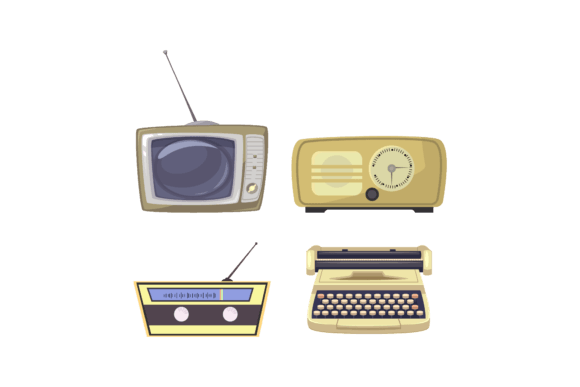
The first impression of Retro Object is one of nostalgic warmth. It carries a distinct visual personality that feels curated rather than mass-produced. The layout suggests a mid-century modern influence, which creates an immediate mood of approachability and style. For designers looking to add a touch of vintage charm to their custom apparel or handmade goods, this design offers a strong foundation. It is not merely a graphic; it is a statement piece that can elevate a simple tote bag into a collectible item.
Real-World Application: From Screen to Stitch
To understand the true value of this asset, we must look beyond the screen. Imagine you are preparing a custom embroidered tote bag for a local farmers market or creating a batch of personalized gifts for the holiday season. You need something that translates well from a digital preview to a physical textile. This is where Retro Object shines. Its bold lines and clear shapes suggest it will hold up well under the tension of machine embroidery.
I envision this design gracing the chest of a heavy cotton sweatshirt or adorning the front panel of a denim jacket. The retro theme fits perfectly with current trends in streetwear and artisanal fashion. However, the versatility extends further. Picture a nursery decor project where Retro Object is stitched onto a baby blanket or a soft muslin bib. The clean lines prevent the design from becoming muddy when reduced in size, making it suitable for smaller items like caps or patches.
For Etsy sellers and small business owners, the commercial potential is significant. A set of kitchen towels featuring this design could become a bestseller during the holidays. The aesthetic works equally well for wedding favors or boutique branding. When customers see a finished product, they respond to designs that feel intentional. Retro Object provides that sense of intentionality, suggesting a high-quality handmade product rather than a generic factory print.
Where Caution is Required
While the design has many strengths, a responsible reviewer must point out where it might struggle. Embroidery is a tactile medium, and not every digital file survives the transition to fabric without issues. If you plan to use Retro Object on textured fabrics, such as corduroy or thick fleece, be prepared for some loss of definition. The intricate details that look crisp on your monitor may get lost in the weave of the material.
Similarly, thin or stretchy fabrics require careful handling. Without proper stabilization, the pull of the threads can distort the shape of the design. If you are working on curved surfaces like baseball caps, the flat nature of the original illustration might need adjustment to follow the curvature of the hat. Small lettering or tiny decorative accents within the design should be scrutinized closely. In dense stitch areas, thread breaks can occur if the density is too high for the chosen thread count.
Dark fabrics present another challenge. Unless you use a high-density underlay or a specific thread color palette, the design might lack contrast against a black background. Always test the thread colors against your final fabric choice before committing to a large production run. If the design is intended for frequent washing, ensure that the stitch density is sufficient to prevent fraying over time.
Technical Considerations for the Designer
Before you load this file into your machine, there are several practical steps you must take. First, always test the design on scrap fabric. This is non-negotiable. You need to verify how the stitch density interacts with your specific stabilizer and needle type. Check the hoop size required; while the canvas size is listed as 1920 px by 1280 px, the actual physical dimensions depend on your DPI settings and the final output size.
Review the file formats carefully. The availability of AI, EPS, SVG, JPG, and PNG files is a significant advantage for flexibility. However, remember that vector formats like AI and EPS are ideal for scaling, while raster formats like JPG and PNG are better for direct viewing but less editable. If you are planning to create an embroidered patch, ensure the edge finish matches the design's outline. For applique design projects, check if the layers are separated correctly in the source file.
Inspect the small details under magnification. Are the corners sharp? Do the curves flow smoothly? If you are using a running stitch for outlines, ensure the spacing is consistent. For fill stitches, check for any gaps that might show the fabric underneath. A professional finish requires attention to these nuances. Also, confirm whether the design works for both personal and commercial projects. Licensing terms vary, and selling finished items made from a file requires explicit permission.
Visual Appeal and Brand Consistency
The ultimate goal of any embroidery project is to create a finished product that builds trust and engagement. Retro Object contributes to this by offering a cohesive look that aligns with a brand identity focused on quality and style. When used in printable mockups for online listings, the design helps visualize the final result effectively, reducing customer hesitation. It adds a layer of professionalism that separates serious makers from hobbyists.
For craft business owners, consistency is key. Using a design like Retro Object across different products—such as aprons, pillow covers, and tea towels—creates a recognizable line. Customers appreciate this uniformity, which signals reliability. The design also enhances giftability; a retro-themed item often feels more thoughtful and unique than a standard pattern.
However, do not rely solely on the digital preview. Compare light and dark fabric backgrounds to ensure the design remains legible. Use proper stabilizer to maintain the integrity of the stitches. If you are unsure about the compatibility with your machine, consult the manufacturer's guidelines. Remember, the success of a commercial embroidery project depends on the preparation, not just the design itself.
In conclusion, Retro Object is a versatile and stylish addition to any digital library. It offers a balance of artistic flair and practical utility that serves both hobbyists and creative entrepreneurs. Whether you are designing for a single client or building a full line of merchandise, this design provides a solid starting point. Just remember to respect the limitations of the medium, test thoroughly, and let your creativity guide the final execution. With the right approach, Retro Object can transform a simple piece of fabric into a cherished keepsake.