Holiday Embroidery Review: Happy Christmas Retro Vintage Design
As a designer who spends more time looking at stitch density charts and fabric swatches than scrolling through social media feeds, I have learned to be skeptical of any design that promises too much visual impact with too little structural integrity. When evaluating digital assets for real-world application—whether it is for a high-end boutique client or a quick personalized gift for a neighbor—the gap between a screen preview and the finished embroidered product is where most projects fail. This review focuses on the Happy Christmas Retro Vintage Design, assessing its viability for embroidery projects, commercial merchandise, and handmade goods.
The file package includes SVG, EPS, PNG, DXF, and PDF formats, which suggests versatility across cut machines and vinyl decals, but my primary focus here is its performance as a machine embroidery design. The retro vintage aesthetic is currently dominating the craft market, particularly among Etsy sellers and small shop owners looking to capitalize on holiday nostalgia. However, not all retro styles translate well to thread. Some rely on gradients or subtle shading that simply do not exist in embroidery. The key question is whether this specific design holds up when converted into physical stitches.
First Impressions and Visual Personality
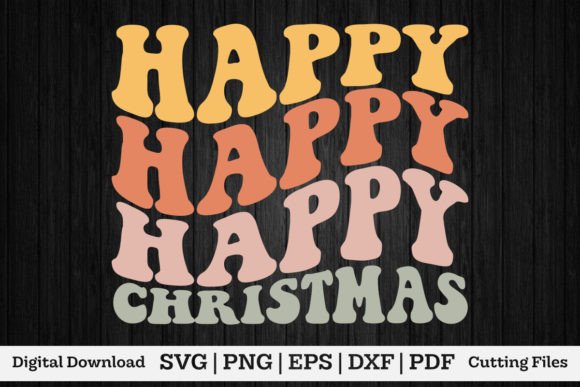
The immediate appeal of the Happy Christmas Retro Vintage Design lies in its typographic confidence and layout. It does not try to be everything at once. Instead, it leans into a bold, nostalgic mood that feels curated rather than cluttered. For an embroiderer, this clarity is crucial. Designs that are overly busy often result in "muddy" stitching, where individual elements bleed into one another, especially on smaller hoop sizes. This design appears to have enough negative space to breathe, allowing the eye to rest on the central message without being overwhelmed by decorative noise.
The visual personality suggests warmth and approachability. It feels suited for items that invite touch and interaction. Unlike stark, modern minimalist designs that might feel cold on a heavy wool coat, this design has a tactile quality implied by its vintage roots. It evokes the feeling of a handwritten letter or a classic store sign, translated into thread. This emotional connection is vital for personalized gifts and holiday embroidery projects, where the buyer is often seeking a sense of tradition and comfort.
Real-World Application: From Screen to Stitch
To understand how this design performs, we must look at it in context. Imagine preparing a custom embroidered tote bag for a local holiday market. The goal is to create a handmade product that stands out on a crowded table. If I were to place the Happy Christmas Retro Vintage Design on a natural canvas tote, the contrast would likely be striking. The retro color palette, assuming it utilizes classic reds, greens, or creams, would pop against the neutral background.
However, the true test is on apparel. Consider a unisex sweatshirt for a family matching set. Sweatshirts present unique challenges due to their thickness and potential for pilling. A dense fill stitch can cause the fabric to pucker if the stabilizer is not chosen correctly. Here, the design’s structure becomes important. If the design relies heavily on satin stitch borders around text, it may add necessary definition but also increase bulk. For a sweatshirt embroidery project, I would recommend testing the design to ensure the stitch density is balanced. Too much density on a fleece material can make the garment stiff and uncomfortable, reducing the likelihood of repeat purchases from customers.
Another strong use case is for baby clothes or nursery decor. The gentle, vintage vibe fits perfectly with the current trend toward muted, timeless aesthetics in children's wear. A onesie featuring this design could serve as a cherished personalized gift for a new parent. In this scenario, safety and softness are paramount. The edges of the design should be smooth, avoiding sharp points that might irritate sensitive skin. The design’s vintage style typically avoids aggressive angles, making it a safer bet for delicate fabrics like organic cotton or bamboo blends.
Where Caution Is Required
Despite its strengths, there are scenarios where this design requires careful handling. Small hoop sizes are the first area of concern. If you attempt to digitize or stitch this design on a very small frame, fine details may become indistinguishable. Tiny curves and thin lines can merge together, losing the retro charm that makes the design appealing. Always check the minimum recommended hoop size before committing to production.
Textured fabrics pose another challenge. While linen and burlap offer a rustic aesthetic that complements vintage themes, they can obscure intricate details. On a highly textured surface, the embroidery file may lose its crispness. Similarly, stretchy fabrics like jersey knits require excellent stabilization to prevent distortion. Without proper stabilizer support, the tension of the threads can pull the fabric out of shape, warping the text and ruining the symmetry of the design.
Dense stitch areas should also be evaluated. If the design includes large blocks of fill stitch, it may take a long time to complete and consume significant amounts of thread. For a craft business owner, time is money. Understanding the stitch count helps in pricing your products accurately. If the design is too dense, it may not be cost-effective for mass-produced items, though it could still work well for premium, limited-edition pieces.
Design Notes for the Professional Embroiderer
Before integrating the Happy Christmas Retro Vintage Design into your workflow, several practical steps are essential. First, always test the design on scrap fabric that matches the weight and texture of your final product. This allows you to assess how the thread colors interact with the material and identify any potential puckering or alignment issues.
Reviewing the design in black and white mockups is a professional habit that cannot be overstated. By removing color, you can evaluate the balance of light and dark areas, ensuring that the design has good contrast and readability regardless of the thread choice. This is particularly useful when planning for dark fabrics, where bright threads might be needed to maintain visibility.
Inspect small details closely. Are there tiny accents that might get lost in the stitching process? If so, consider simplifying them or using a larger font size if the software allows. Confirming that the design works for both personal and commercial projects is also critical. Ensure you have the appropriate license to sell finished items made with this design, especially if you are an Etsy seller or run a small shop product line.
Final Verdict on Visual Appeal and Value
The Happy Christmas Retro Vintage Design offers a strong foundation for creating engaging embroidery projects. Its vintage aesthetic appeals to a broad audience, from hobbyists making holiday gifts to commercial embroidery professionals designing seasonal collections. The design’s clean layout and nostalgic mood enhance the perceived value of the finished product, making it suitable for tote bag design variations, aprons, and decorative pillows.
When executed correctly, this design boosts customer trust by demonstrating attention to detail and quality. A well-stitched vintage design looks intentional and polished, reflecting positively on the maker’s brand consistency. It invites engagement because it tells a story—a simple, joyful message wrapped in a familiar, comforting style.
In conclusion, while the file formats listed (SVG, EPS, PNG, DXF, PDF) indicate utility for cutting and printing, its success as an embroidery asset depends on proper execution. By paying attention to fabric choice, stabilization, and stitch density, designers can transform this digital graphic into a tangible, beloved finished product. It is a versatile addition to any creator’s library, provided it is used with technical precision and creative foresight.