Is Retro Kitchen T-shirt Design, Better Tog Right for Your Next Embroidery Project?
As someone who has spent years stitching custom apparel and reviewing design assets for small businesses, I know that the difference between a good handmade product and a great one often comes down to the specific embroidery file you choose. Today, I am putting the Retro Kitchen T-shirt Design, Better Tog under the microscope. This isn't just another graphic; it is a piece of visual storytelling intended for those who love vintage aesthetics and cozy vibes. But does it translate well from a digital screen to a physical needle and thread? Let's dive into how this design performs in real-world scenarios.
The First Impression: Mood and Visual Personality
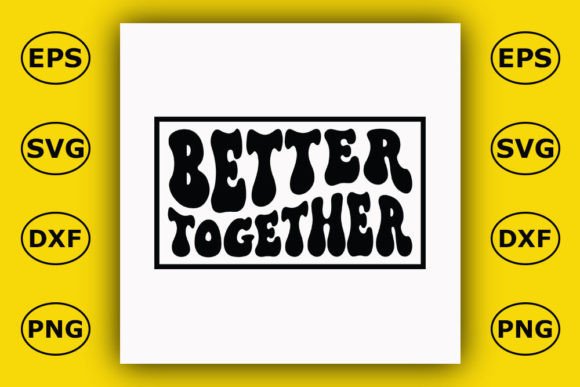
When you first open the files associated with the Retro Kitchen T-shirt Design, Better Tog, the immediate feeling is one of nostalgia. The typography and layout scream "vintage diner" or "retro 70s kitchen." It creates an atmosphere that is warm, inviting, and slightly humorous. For a designer looking to create a handmade product that stands out, this mood is invaluable. It suggests a project that is not just functional but also carries a personality.
The phrase "Better Together" (or "Better Tog") implies connection, making it perfect for couples, families, or teams. Visually, the retro style offers a distinct look that separates your work from generic modern templates. However, the success of this embroidery project relies heavily on execution. The retro aesthetic requires clean lines and bold shapes to avoid looking muddy when stitched. If the design details are too intricate, they might get lost in the fabric texture, so we need to look closer at how it handles different materials.
Real-World Application: From Scrap to Finished Product
I recently considered using the Retro Kitchen T-shirt Design, Better Tog for a client project involving personalized aprons for a local boutique bakery. The goal was to create a set of matching items that felt cohesive yet fun. In this scenario, the design's vintage charm would shine brightly against a canvas or denim apron. The contrast between the retro font and the sturdy fabric creates a professional yet approachable brand image.
Imagine taking this same design and applying it to a soft baby onesie or a nursery pillow cover. The text "Better Tog" adds a sweet touch of humor that parents would appreciate. It transforms a simple garment into a personalized gift that feels thoughtful and curated. Similarly, for an Etsy seller looking to expand their catalog, this design fits perfectly into categories like holiday gifts, wedding favors, or custom merchandise for craft fairs. It bridges the gap between a casual hobbyist item and a commercial asset.
However, the versatility of the machine embroidery design depends on where you place it. On a tote bag, the design serves as a statement piece, drawing eyes immediately. On a sweatshirt, it acts as a comforting focal point. The key is understanding that this design is best suited for products that celebrate home, family, or shared experiences. It is less likely to fit a corporate uniform or a sleek, minimalist fashion line, but for a creative entrepreneur building a brand around warmth and community, it is a strong contender.
Navigating Technical Challenges and Fabric Choices
While the concept is strong, every embroidery designer knows that the devil is in the details. When evaluating the Retro Kitchen T-shirt Design, Better Tog, there are specific areas where caution is required. If you plan to use this on a curved surface like a baseball cap, the curvature might distort the lettering if the digitization wasn't optimized for it. You must check the stitch density to ensure the letters remain legible after being pulled over the curve.
Textured fabrics, such as heavy terry cloth towels or chunky knits, can sometimes swallow up fine details. If the design includes tiny decorative accents or very thin lines, they might disappear into the weave of the fabric. In these cases, testing on a scrap piece is non-negotiable. Furthermore, stretchy fabrics like jersey t-shirts require careful stabilizer selection. Without proper backing, the tension of the stitches could cause the fabric to pucker, ruining the retro aesthetic you are trying to achieve.
Dense stitch areas are another potential pitfall. If the design uses heavy fill stitches to create the retro look, it might feel stiff on delicate garments like baby clothes. Conversely, on a thick hoodie, the density might be necessary to provide structure. You also need to consider thread color contrast. A light-colored retro design on a dark fabric will pop, but a dark design on black fabric might lack definition unless you use a contrasting outline or underlay. Always review the design in a black and white mockup to see if the value contrast holds up before committing to production.
Practical Tips for the Professional Stitcher
To ensure the Retro Kitchen T-shirt Design, Better Tog delivers a high-quality result, follow these practical steps:
- Test First: Never run a full production batch without stitching a test version on your actual fabric. Check for puckering, thread breaks, and detail clarity.
- Check File Formats: Ensure you have the correct formats for your machine. While the listing mentions SVG, PNG, EPS, and DXF, verify which ones are specifically optimized for embroidery versus cutting machines. Using a vector cut file for embroidery can lead to poor results.
- Stabilizer Selection: Match your stabilizer to the fabric weight. Use tear-away for stable wovens and cut-away for stretchy knits to prevent distortion during washing.
- Hoop Size Verification: Confirm that the design dimensions fit within your standard hoop sizes. If the design is larger than your hoop, you may need to re-digitize or split the design, which can affect the final alignment.
- Licensing Review: Before selling finished items featuring this design, read the license terms carefully. Some designs allow personal use only, while others permit commercial sales of the finished product. Clarify this to avoid legal issues later.
Impact on Brand Value and Customer Trust
In the world of craft business and small shop products, the quality of your embroidery speaks volumes about your brand. A sloppy stitch job can undermine customer trust, even if the design itself is beautiful. The Retro Kitchen T-shirt Design, Better Tog has the potential to elevate a product's perceived value because of its unique theme. Customers are willing to pay a premium for items that show effort and creativity.
When the design is executed correctly, it enhances the finished product by adding a layer of emotional connection. It tells a story of togetherness and style. This makes it ideal for commercial embroidery projects where branding matters. Whether it is a boutique clothing line or a custom gift service, having a consistent, high-quality design library helps maintain professionalism. Buyers recognize quality when they see it, and a well-stitched retro design signals that you care about the details.
Ultimately, the decision to use the Retro Kitchen T-shirt Design, Better Tog comes down to your specific needs and the capabilities of your equipment. It is a versatile asset that can serve as a tote bag design, a sweatshirt embroidery centerpiece, or a charming addition to a kitchen towel. By approaching it with a critical eye regarding fabric choice, stabilizer usage, and stitch density, you can turn a simple digital file into a standout item that customers will love. For designers seeking to add a touch of vintage flair to their portfolio, this design is definitely worth a try—provided you take the time to test and refine the process.