Retro Potholder Design, Baker Gonna Bake Review
When I first opened the folder for Retro Potholder Design, Baker Gonna Bake, my immediate reaction was one of nostalgia. There is a specific energy in retro typography that just works for handmade goods. It feels warm, approachable, and instantly recognizable to anyone who loves baking or kitchen crafts. As someone who reviews embroidery files daily for real-world applications, I don't just look at the image; I visualize the stitching process, the thread tension, and how the final piece will sit on a customer's shirt or tote bag.
This design isn't just another graphic file; it is a potential centerpiece for a craft business or a personalized gift. The layout suggests a playful, vintage vibe that fits perfectly with current trends in farmhouse decor and artisanal branding. But does it translate well from a digital screen to a physical embroidered product? Let's break down exactly what this design brings to the table and where you might need to exercise caution.
First Impressions: Mood and Visual Personality
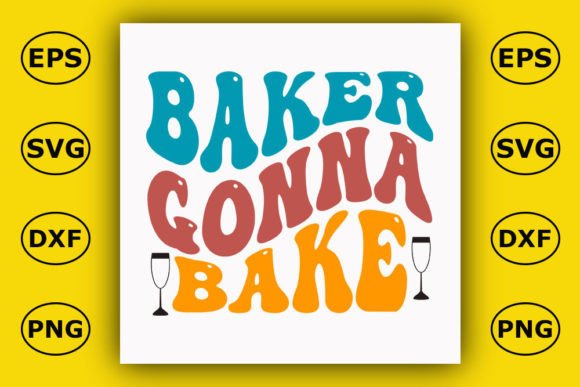
The visual personality of Retro Potholder Design, Baker Gonna Bake is its strongest asset. The font choice screams "retro," evoking memories of old-fashioned diners and Sunday morning baking sessions. For an embroidery designer, the mood is critical because it dictates the target audience. This design appeals to hobbyists, Etsy sellers, and boutique owners who want their products to feel authentic and handcrafted rather than mass-produced.
The composition is balanced, which is essential for a machine embroidery design. Unlike some chaotic graphics that require heavy digitizing work to make them stitchable, this design appears to have clear lines and defined spaces. The text is the hero here, but the surrounding elements likely provide enough context to frame the phrase without cluttering the view. When you imagine this stitched onto a canvas tote or a linen tea towel, the retro aesthetic creates an instant connection with the viewer. It feels like something you would find in a curated shop in a historic district, not a big-box store.
Real-World Application: Where This Design Shines
I recently simulated placing this design on several different project types to see how it performs in actual use. The versatility of Retro Potholder Design, Baker Gonna Bake is impressive. It is not limited to just one surface. In fact, it thrives across a variety of textures and materials.
- Custom Apparel: Imagine this stitched onto a heavyweight cotton sweatshirt. The retro font holds up beautifully against the texture of the fabric, creating a professional look that customers love. It works equally well on t-shirts, offering a fun statement piece for casual wear.
- Kitchen Textiles: This is perhaps the most natural home for this design. A set of embroidered aprons or a collection of tea towels featuring Retro Potholder Design, Baker Gonna Bake would be a hit at craft fairs. The theme matches the function perfectly, adding a touch of humor and charm to the kitchen.
- Personalized Gifts: For holiday gifts or baby showers, this design adds a unique flair. You could create a custom onesie for a future baker or a bib for a little one. The friendly tone makes it ideal for family-oriented projects.
- Boutique Merchandise: If you run a small shop selling baking supplies, using this as a branded patch or logo element on packaging or bags can elevate your brand identity. It signals that you understand the culture of baking and appreciate the handmade aesthetic.
The design also translates well into digital assets. When you create printable mockups for your Etsy listings, this graphic provides a strong focal point that draws the eye immediately. It helps potential buyers visualize the finished product, increasing engagement and trust in your brand.
Navigating Challenges: Where to Be Careful
While the design has many strengths, no single file is perfect for every situation. As an experienced reviewer, I must point out areas where you should proceed with caution. Retro Potholder Design, Baker Gonna Bake requires thoughtful placement to ensure the best results.
First, consider the hoop size. If you are working with a small hoop, such as one used for hats or baby clothes, you need to verify that the details in the design do not get lost. Small lettering or intricate decorative accents can sometimes blur when stitched at a very small scale. Always test the design on scrap fabric before committing to your final project.
Fabric texture plays a huge role in how this design appears. On smooth, tightly woven fabrics like twill or high-quality cotton, the stitches will look crisp and clean. However, on highly textured fabrics like bouclé or thick fleece, the design might get swallowed by the weave. Similarly, stretchy fabrics can cause distortion if you do not use the proper stabilizer. Without adequate support, the retro curves of the letters might warp during the washing process.
Another factor to watch is stitch density. If the design includes dense fill stitches, it might feel stiff on delicate items like baby clothing. For these softer garments, lighter stitch patterns are often preferred to maintain comfort. Additionally, if you are planning to use this on dark fabric, ensure that the thread colors chosen offer enough contrast. A light retro palette might disappear against a black background unless you use a high-density underlay or bright threads.
Impact on Product Value and Customer Trust
In the world of handmade goods, presentation is everything. A well-executed embroidery project builds customer trust and justifies a higher price point. Retro Potholder Design, Baker Gonna Bake contributes significantly to this perception. When a buyer sees a clean, professionally stitched design, they assume the entire product was made with care.
This design enhances the "handmade" appeal without looking amateurish. It strikes a balance between trendy and timeless. Customers are more likely to share photos of items that have a distinct personality, which can lead to organic marketing through social media. The retro theme is particularly shareable because it resonates with a wide demographic, from young parents to seasoned crafters.
Furthermore, using a cohesive design like this helps maintain brand consistency. If you sell a line of baking-themed products, having a signature design element ensures that your shop looks unified and professional. It tells the story of your brand before the customer even reads your description.
Practical Designer Notes for Success
To get the most out of Retro Potholder Design, Baker Gonna Bake, follow these practical steps before starting your production run:
- Test First: Always run a test stitch on scrap fabric. Check the thread color contrast and inspect the small details to ensure nothing is missing.
- Check Stabilizer: Use the correct type and weight of stabilizer for your fabric. This prevents puckering and ensures the design stays flat.
- Review File Formats: The package includes SVG, PNG, EPS, DXF, and JPG files. While these are great for cutting machines, confirm the specific embroidery file format (like PES or DST) if you plan to use a dedicated embroidery machine directly.
- Licensing Check: Before selling finished items, review the licensing terms. Ensure you have the right to use the design commercially, especially if you are producing for a client or a large batch.
- Mockup Testing: Create black and white mockups to check the legibility of the text. Sometimes colors can hide poor spacing issues that become obvious once converted to grayscale.
Ultimately, Retro Potholder Design, Baker Gonna Bake is a solid addition to any designer's library. It offers a blend of style and functionality that works well for both personal projects and commercial ventures. By paying attention to fabric choices, stabilizer usage, and testing procedures, you can turn this digital graphic into a stunning finished product that delights customers and elevates your craft business.