Retro Your Are Enough Mental Health
When I first opened the file for Retro Your Are Enough Mental Health, my immediate reaction wasn't about the technical specs, but about the feeling it evoked. In a market saturated with generic motivational quotes and sterile vector art, this design stands out because it carries a specific weight of nostalgia mixed with genuine care. As someone who reviews embroidery files daily for both personal crafting and client work, I look for designs that translate well from a screen to a needle. This piece feels like a warm hug in stitch form, perfect for the modern crafter looking to add a touch of empathy to their handmade goods.
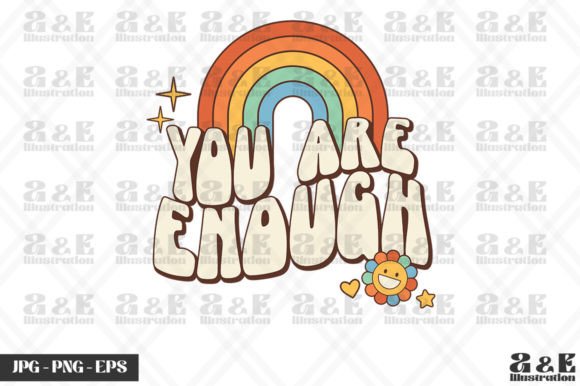
The aesthetic is undeniably retro, leaning into a vintage color palette and typography style that suggests comfort and timelessness. For an embroidery designer, the layout is crucial; if the text is too cramped or the graphic elements are too fine, the final result will lose its impact after stitching. Here, the balance seems right. The phrase "You Are Enough" anchors the design with a clear message, while the surrounding retro elements provide visual interest without overwhelming the core sentiment. It creates a mood that is inviting, safe, and deeply human, making it an ideal candidate for projects aimed at mental health awareness, self-care workshops, or simply uplifting a loved one's wardrobe.
From Screen to Stitch: Real-World Application
Let's talk about where this design actually shines in a real-world scenario. Imagine you are preparing inventory for a small boutique shop or getting ready for a local craft fair. You have a stack of high-quality, oatmeal-colored tote bags sitting on your table. These are staples for any Etsy seller or handmade business owner, but they can often feel generic. That is exactly where Retro Your Are Enough Mental Health changes the game.
Instead of a standard logo placement, imagine centering this design on the front panel of the bag. The retro vibe pairs beautifully with canvas textures, giving the item a curated, artisanal look. When a customer picks up a tote bag embroidered with this specific message, they aren't just buying a bag; they are buying a reminder. The design elevates the perceived value of the finished product, transforming a simple utility item into a meaningful accessory. It fits perfectly into the narrative of a brand that cares about mental wellness, allowing the maker to connect emotionally with their buyer immediately.
Beyond totes, this design has immense potential for custom apparel. Think about a cozy sweatshirt intended for a holiday gift or a baby shower present. The soft, rounded nature of the retro font works exceptionally well on cotton blends and fleece materials common in sweatshirts. However, there is a nuance here. If you are embroidering this onto a baby onesie, the scale becomes critical. You want the message to be readable and the graphics to remain distinct even on a tiny garment. The design assets provided offer enough flexibility to allow for resizing, but you must ensure the details don't get lost in the fabric weave.
Navigating Technical Challenges
While the artistic vision is strong, a professional designer knows that execution is everything. There are specific scenarios where Retro Your Are Enough Mental Health requires careful consideration. First, consider the hoop size. If you attempt to stitch this on a very small surface area, such as a child's cap or a miniature patch, the intricate corners of the retro elements might merge together, creating a muddy appearance. Satin stitches in tight curves can sometimes pull or distort if the density is too high for the fabric type.
Fabric texture is another major factor. Embroidery relies on contrast and stability. On a highly textured fabric like a heavy boucle wool or a loose-weave linen, the definition of the lettering might suffer. The thread could catch on the rough fibers, leading to uneven tension. Similarly, working with stretchy fabrics like jersey or thin synthetics requires a robust stabilizer strategy. Without proper backing, the design might pucker, ruining the clean lines that make this digital file so appealing in the first place. Dark fabrics also present a challenge; unless you plan to use a dense underlay or a contrasting thread color, the retro colors might not pop against a black background, diminishing the visual appeal.
Furthermore, if you are planning to sell these items commercially, you need to think about durability. Items like aprons, kitchen towels, or work shirts undergo frequent washing and abrasion. A design with delicate, thin lines or excessive detail in the corners might fray over time. It is wise to test the design on scrap fabric first to see how the fill stitches hold up. Does the thread coverage look solid? Do the edges of the letters stay crisp after a wash cycle? These practical questions determine whether a design is merely pretty or truly functional for a commercial product line.
Strategic Design Notes for Makers
Before you load the disk into your machine, there are several steps every serious embroiderer should take. Start by reviewing the stitch density. High-density areas can cause the fabric to bunch up, especially on lightweight materials. If the design feels too heavy, consider adjusting the underlay settings or choosing a lighter weight thread to soften the look. Always check the thread color contrast. A retro design often relies on specific color palettes; if your thread selection doesn't match the original intent, the mood of the piece shifts entirely.
Testing in black and white mockups is a pro tip that many overlook. Sometimes, a design looks vibrant in full color but loses its structure when viewed in grayscale. This helps you identify if the contrast between the text and the background elements is sufficient. Additionally, inspect the small details closely. Are there any tiny dots or thin lines that might disappear during the stitching process? If so, you may need to simplify the design slightly or adjust the digitization settings to ensure clarity.
Licensing is equally important for those selling finished products. Ensure you understand the terms regarding commercial use before listing your items on platforms like Etsy or Amazon. Some digital files are strictly for personal use, while others allow for unlimited sales of finished goods. Confirming these details protects your business and respects the creator's rights. Also, verify the file formats. The package includes PNGs, PDFs, and JPEGs, which are excellent for printing mockups and marketing materials, but ensure you have the correct embroidery file format (like .dst, .pes, or .exp) compatible with your specific machine model.
Final Thoughts on Visual Impact
In the world of handmade goods, authenticity is currency. Retro Your Are Enough Mental Health offers more than just a pattern; it offers a conversation starter. When a customer sees this design on a pillow cover, a tea towel, or a personalized gift, they recognize the effort put into the creation. It signals that the maker understands the importance of mental health and values the emotional connection in their work.
Whether you are an experienced embroiderer looking to expand your catalog or a hobbyist wanting to create something special for a friend, this design provides a solid foundation. It balances style with substance, ensuring that the final product is not only visually striking but also technically sound. By paying attention to fabric choices, stabilizer types, and testing procedures, you can bring this digital asset to life in a way that honors both the artistry of the design and the needs of your customers. Ultimately, a great embroidery project is one that lasts, both in quality and in the positive message it conveys.