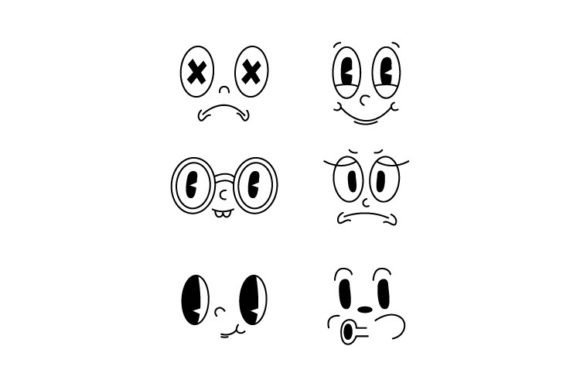
Retro Comic Faces Character Design Review
As a designer who spends half my life staring at stitch charts and the other half troubleshooting tension issues on my embroidery machine, I have developed a pretty sharp eye for what works in real-world production. We often get swept up in the visual appeal of a digital file, but the true test is how that design translates from a screen to fabric. Today, I am evaluating the Retro Comic Faces Character Design, a vector asset marketed for print, decoration, and background use. But more importantly, I am looking at it through the lens of an embroiderer preparing for actual client work, craft fair inventory, or a personalized gift project.
First Impressions and Visual Personality
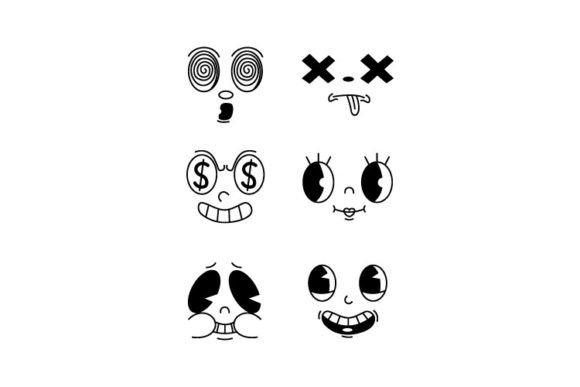
The moment you open the files—available in Ai, Eps, Png, Jpg, and Svg formats—the mood is immediately established. This is not a delicate floral motif or a minimalist line art piece. It is bold, graphic, and undeniably nostalgic. The "retro comic" aesthetic brings a specific energy: playful, slightly edgy, and highly recognizable. For a designer, this clarity is a huge advantage. In embroidery, ambiguity is the enemy. You need shapes that read clearly even when rendered in thread.
The character faces likely rely on strong outlines and distinct facial features. From a design perspective, this suggests high potential for satin stitch applications. The clean lines typical of vector graphics translate well into the crisp edges required for professional-looking embroidery. However, the retro style also implies a certain level of detail within those characters. My initial thought is that this design belongs firmly in the category of statement pieces rather than subtle accents. It demands attention, which makes it perfect for items where the brand or message needs to be front and center.
Real-World Application: Where This Design Shines
Let’s talk about practical use cases. I recently imagined using the Retro Comic Faces Character Design for a batch of custom embroidered tote bags intended for a local pop-up shop. Tote bags are a staple for any craft business, but they require designs that can withstand wear and tear while still looking fresh. A bold comic face offers excellent visibility. When someone carries that bag, the design acts as a walking billboard. The contrast between the vibrant vector colors and the canvas texture of the bag would create a tactile, handmade appeal that resonates with today’s consumers.
This design is equally suited for custom apparel. Imagine this character placed on the chest of a heavyweight sweatshirt or centered on the back of a t-shirt. The retro vibe pairs naturally with streetwear aesthetics, making it an attractive option for Etsy sellers targeting younger demographics or fans of vintage pop culture. It also works beautifully for embroidered patches. If you are creating iron-on or sew-on patches for jackets and denim vests, the graphic nature of these faces ensures that even small-scale versions remain legible.
Furthermore, consider the market for personalized gifts. Holiday seasons bring a surge in demand for unique, handmade items. A pillow cover featuring one of these comic faces adds a touch of whimsy to a nursery or a teenager’s bedroom. Similarly, kitchen towels or aprons with this design could appeal to home cooks who appreciate a bit of humor in their daily routine. The versatility of the vector files means you can easily resize the embroidery file to fit different product dimensions without losing quality.
Technical Considerations and Potential Pitfalls
While the visual appeal is strong, every designer knows that execution is everything. There are specific scenarios where the Retro Comic Faces Character Design requires careful handling. First, consider the stitch density. Retro comic styles often use thick outlines. If your digitizing software or service does not optimize these lines properly, you risk creating dense areas that cause puckering, especially on lighter fabrics. Always check the stitch count and ensure there is adequate space between elements to allow the fabric to relax.
Fabric choice is another critical factor. This design looks fantastic on stable materials like cotton canvas, denim, or fleece. However, I would advise caution when attempting this on stretchy knits or thin, sheer fabrics. The weight of the threads, particularly if using multiple passes for fill stitch areas, can distort the fabric. If you are working with a textured fabric, such as a boucle or heavy tweed, the fine details of the comic faces might get lost. In such cases, simplifying the design or increasing the scale might be necessary to maintain clarity.
Color contrast is paramount. The success of a comic-style design relies heavily on the distinction between the outline and the fill. If you are stitching on dark fabric, ensure your thread colors provide enough punch. Light pastel fills might disappear against a black background unless you use a bright underlay or a contrasting border. Conversely, white outlines on light fabric will vanish entirely. Testing your thread colors on scrap fabric before committing to the final product is non-negotiable.
Practical Tips for Embroidery Designers
- Test on Scrap Fabric: Before running a large order, stitch the design on the exact fabric you plan to use. This helps you identify any tension issues or color mismatches early.
- Check Hoop Size: Ensure the design fits comfortably within your chosen hoop size. If the design is large, you may need to reposition it or use a larger frame to avoid awkward cuts.
- Use Proper Stabilizer: For items like tote bag design projects or caps, a cut-away stabilizer is often recommended to prevent distortion during washing and regular use.
- Inspect Small Details: Look closely at the eyes and mouths of the comic faces. Are the details too small to stitch clearly? If so, consider merging adjacent elements or simplifying the shapes.
- Verify Licensing: Since this is a vector asset, confirm the license terms. Are you allowed to sell finished products? Can you modify the design? Clear licensing protects your commercial embroidery business from legal issues.
Final Verdict on Value and Appeal
The Retro Comic Faces Character Design is a versatile and engaging asset that brings a lot of personality to an embroidery project. Its strength lies in its boldness and clarity, making it ideal for products where visual impact is key. Whether you are creating holiday embroidery gifts, updating your small shop product lineup, or designing for a personal brand, this graphic style offers a reliable foundation.
However, remember that a great vector file is only half the battle. The final look depends on your digitizing skills, your machine’s precision, and your material choices. By paying attention to stitch density, fabric stability, and color contrast, you can transform this digital graphic into a high-quality finished product that customers will love. For designers looking to add a touch of retro charm to their portfolio, this design is a solid addition—provided you respect the technical nuances of the medium.