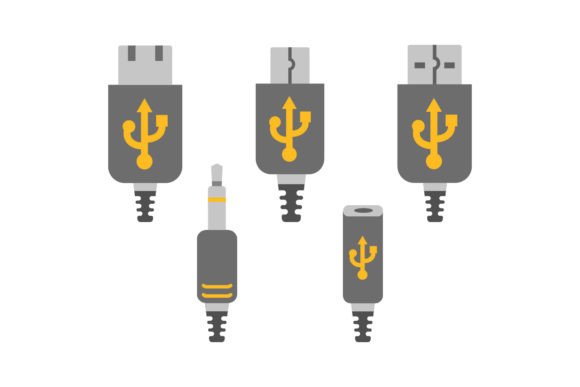
Retro Electronic: A Designer's Real-World Embroidery Review
I have spent years turning digital files into tangible treasures, stitching designs onto everything from delicate baby rompers to heavy-duty work aprons. When a new file lands on my desk, I don't just look at the image; I imagine the needle piercing the fabric, the tension of the thread, and how the final piece will sit in a customer's hands. Today, I am evaluating Retro Electronic, a design that promises a nostalgic vibe for anyone looking to add a touch of vintage tech flair to their craft business or personal projects.
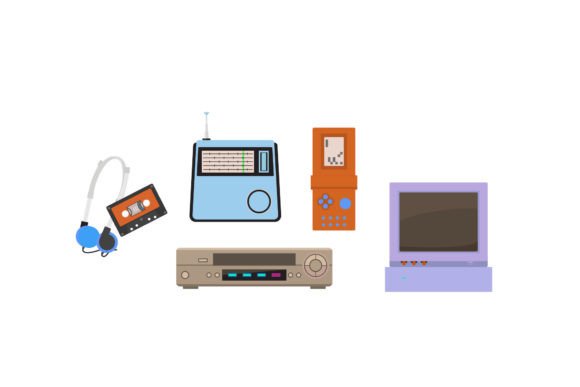
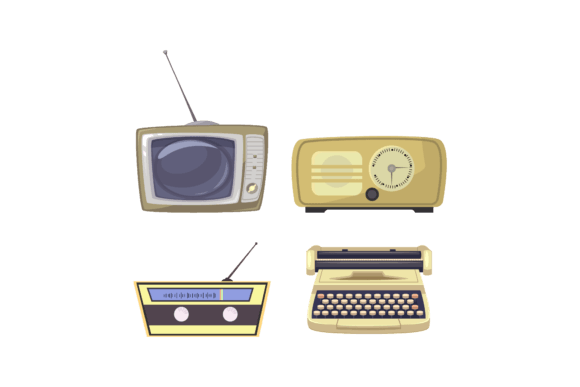
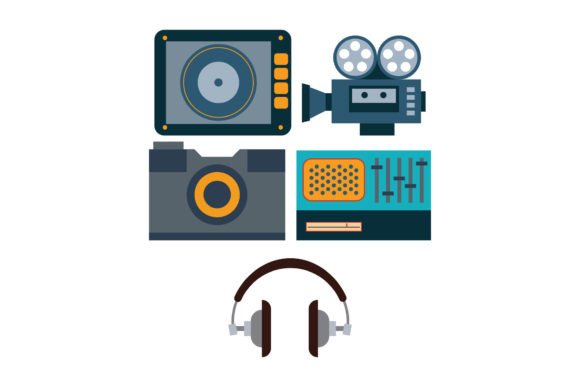
My first impression of Retro Electronic is one of immediate recognition. It taps into that warm, analog nostalgia that has been dominating the market lately. The visual personality feels playful yet slightly industrial, making it perfect for a specific niche of customers who love 80s aesthetics, synthwave vibes, or classic arcade culture. Unlike generic floral patterns or standard text-only files, this design carries a distinct mood. It suggests fun, creativity, and a bit of geeky charm. For an embroidery designer, finding a motif that sparks such a clear emotional response is rare and valuable.
From Screen to Stitch: A Real Project Scenario
To truly understand the utility of Retro Electronic, let us step into a real-life scenario. Imagine you are preparing for the upcoming holiday season. You are a small shop owner planning a limited run of custom embroidered tote bags and kitchen towels for a boutique client. Your goal is to create a gift set that appeals to tech enthusiasts and retro lovers alike. You need something that stands out on a canvas bag but remains legible when stitched tightly.
This is where Retro Electronic shines. I can easily visualize this design centered on a beige canvas tote bag. The bold shapes would pop against the neutral background, creating a professional-looking product that immediately signals "handmade" quality. Alternatively, picture this same design on a dark navy sweatshirt. The contrast would be striking, turning a simple garment into a statement piece. The layout feels balanced enough to work as a standalone graphic without needing excessive surrounding text, which simplifies the digitizing process and reduces the risk of thread breaks.
However, the devil is always in the details. If I were to use this for a baby item, like a onesie, I would need to consider the scale carefully. While the theme is cute, if the design includes tiny intricate lines representing circuitry or buttons, they might get lost in the soft cotton of a baby shirt unless the stitch density is perfectly managed. This is why testing is non-negotiable before committing to a full production run.
Performance Across Different Fabrics and Products
Retro Electronic is versatile, but its success depends heavily on the substrate. As a machine embroidery design, it thrives on stable fabrics. I would recommend using it on medium-weight materials like denim, twill, or thick cotton blends. These fabrics provide the necessary structure to hold the shape of the electronic motifs without puckering.
For apparel decorators, this file is a strong candidate for caps and hats, provided the hoop size matches the curvature of the hat correctly. The design's geometric nature works well on curved surfaces, but care must be taken with the corners. If the design features sharp angles, they might distort slightly on a rounded cap brim. In those cases, adjusting the digitization or selecting a flatter area of the hat is crucial.
When considering home decor, Retro Electronic fits beautifully on pillow covers, tea towels, and even blankets. The aesthetic aligns perfectly with modern farmhouse or boho-chic interiors that embrace retro elements. On a linen tea towel, the design could serve as a unique kitchen accent, appealing to hobbyists who enjoy cooking and crafting. The versatility extends to commercial embroidery projects as well, making it a solid asset for Etsy sellers looking to expand their inventory with trendy, seasonal items.
Where Caution is Required
While the design is promising, there are specific situations where Retro Electronic requires careful handling. Small hoop sizes are the primary concern here. If you attempt to stitch this on a very small area, such as a wrist cuff or a tiny pocket square, the detail level might become muddy. Satin stitches used for outlines or fill stitches in dense areas can crowd each other if the space is too restricted, leading to a messy finish.
Textured fabrics also present a challenge. Thick fleece or boucle wool can obscure the finer details of the electronic graphics. Similarly, stretchy fabrics like jersey knit require a high-quality stabilizer to prevent the design from distorting during wear. Without proper support, the retro shapes might warp, ruining the intended look of the finished product.
Dense stitch areas should be monitored closely. If the design relies heavily on fill stitches to create the "electronic" feel, ensure that the thread colors chosen provide enough contrast. Using threads that are too similar in value can make the design look flat and indistinct after stitching. Additionally, products that require frequent washing, like everyday t-shirts, need durable stitching. If the design has loose running stitches or long floats, they may snag over time, affecting the longevity of the handmade product.
Design Notes for the Professional Maker
Before you load Retro Electronic into your machine, there are several practical steps every experienced designer should take. First, always test the design on scrap fabric that mimics your final material. This allows you to check thread color contrast and review stitch density without wasting expensive supplies. Inspect small details under good lighting to ensure no tiny elements are missing or broken.
If you plan to sell finished items or digital products, confirm the licensing terms associated with the file. The description mentions availability in AI, EPS, SVG, JPG, and PNG formats, which is excellent for creating printable mockups and design assets. However, you must verify whether these files include the actual machine embroidery format (like .DST or .PES) or if they are vector graphics that need conversion. If the latter, you will need to digitize them yourself, paying close attention to the canvas size of 1920 px X 1280 px to ensure proper scaling.
Consider the visual appeal of your final output. A well-executed Retro Electronic project enhances brand consistency and builds buyer engagement. Customers trust professionals who pay attention to detail, and a clean, crisp embroidery job speaks volumes about your craftsmanship. Whether you are creating personalized gifts, custom apparel, or craft fair products, the right design choice elevates the perceived value of your work.
Finally, compare light and dark fabric backgrounds during your mockup phase. Sometimes a design looks great on white but loses impact on black, or vice versa. Adjusting the thread colors or adding a contrasting backing can make all the difference. By following these guidelines, you can transform Retro Electronic from a simple digital illustration into a stunning, market-ready embroidery project that delights customers and supports your creative business goals.