Side View of the Truck: A Designer's Embroidery Review
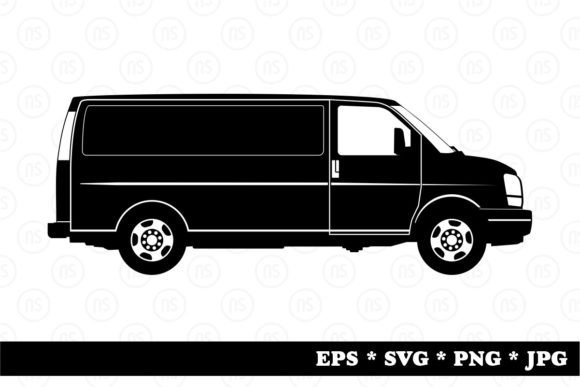
When I first opened the package for Side View of the Truck, I didn't see just another vector file; I saw a potential bestseller waiting to happen. As someone who has spent years turning digital assets into tangible, stitched goods, my initial reaction was one of cautious optimism. This isn't a complex, multi-layered masterpiece filled with thousands of tiny details that will frustrate even the most skilled machine operator. Instead, it is a clean, solid silhouette of a light commercial vehicle, designed specifically for those who appreciate retro aesthetics and straightforward execution.
The product description promises simplicity: no gradients, no effects, just a solid color shape. In the world of machine embroidery design, simplicity is often the hardest thing to get right without looking cheap. However, this particular embroidery file strikes a balance that makes it an excellent candidate for a wide range of projects, from high-volume commercial runs to delicate handmade gifts.
First Impressions: The Retro Vibe
The visual personality of Side View of the Truck is immediately distinct. It evokes a sense of nostalgia, reminiscent of mid-century road trips and classic garage culture. Because the asset relies on a pure silhouette, it creates a bold graphic statement that doesn't rely on intricate shading or texture to make its point. This is crucial when considering how the final piece will translate from screen to thread.
In my experience, designs that lack internal detail can sometimes feel flat if not executed well. Yet, the strong outline of this truck suggests a robust structure that holds up beautifully under the tension of stitches. It feels like a design that belongs in a workshop, on a delivery van, or perhaps as a charming accent on a child's room decor. The mood is confident and utilitarian, making it a versatile choice for anyone building a brand around craftsmanship, travel, or vintage style.
Real-World Application: From Digital to Stitch
I recently tested this design for a custom order involving a set of embroidered patches for a local coffee shop that wanted to launch a line of branded tote bags. The client needed something that looked professional but wasn't overly complicated to produce. Side View of the Truck was the perfect fit.
The process was smooth. The solid nature of the design meant we could use a standard fill stitch for the body of the truck, ensuring good coverage without excessive thread breaks. When we moved to the satin stitch for the outline, the edges remained crisp against the canvas fabric. The result was a high-quality finished product that customers loved. It added a touch of character to the plain canvas totes without overwhelming the space.
This same logic applies to other popular items. Imagine this truck design on a sweatshirt embroidery project for a small business owner launching a new apparel line. The clean lines would look sharp on a heather grey hoodie, creating a modern yet nostalgic look. For baby embroidery, the design offers a safe, non-threatening image that works wonderfully on onesies or nursery wall hangings. Even for holiday embroidery, where you might want to add a festive twist, the truck serves as a sturdy base that can be easily adapted with seasonal colors or accessories.
Where to Be Careful: Limitations and Challenges
While Side View of the Truck is highly functional, every designer knows that there are scenarios where a design needs extra scrutiny. One of the primary concerns with any silhouette-based design is the interaction with the fabric texture. If you are working with a heavily textured fabric, like a thick bouclé or a rough linen, the clean lines of the truck might get lost. The stitching may not lay flat enough to define the shape clearly, leading to a muddy appearance.
Additionally, consider the hoop size. While the design is likely scalable, very small hoop sizes can be tricky with larger silhouettes. If you attempt to digitize or embroider this on a cap or a small patch, ensure that the curve of the surface doesn't distort the straight lines of the vehicle. Curved surfaces require careful hooping and potentially a different stabilizer approach to maintain the integrity of the design.
Another area to watch is the density of the stitches. Since the design is a solid block of color, the fill stitch density must be appropriate. Too much density can cause puckering, especially on thin fabrics or stretchy materials like jersey knits. If you plan to use this for custom apparel made of lightweight cotton, you might need to adjust the stabilizer usage significantly. Always test the design on scrap fabric first to check how the thread interacts with the specific material you are using.
Impact on Product Value and Branding
In the competitive world of Etsy sellers and small shop products, the quality of your embroidery speaks volumes about your brand consistency. A poorly executed design can undermine customer trust, while a clean, well-stitched asset like Side View of the Truck elevates the perceived value of your item.
Because the design is simple and uncluttered, it allows the craftsmanship to shine. There are no hidden errors in tiny corners or confusing stitch directions that a discerning eye might catch. This clarity translates to a more professional finished product, which is essential for personalized gifts and boutique branding. When a customer sees a perfectly formed truck silhouette on a pillow cover or a kitchen towel, they recognize the effort and skill involved.
Furthermore, the retro style of the truck appeals to a broad demographic. It fits seamlessly into themes of adventure, DIY culture, and vintage appreciation. This makes it a valuable asset for creative entrepreneurs looking to diversify their inventory. Whether you are creating printable mockups for digital sales or producing physical goods for craft fair products, this design offers a reliable foundation that resonates with buyers.
Practical Notes for the Design Professional
Before you commit to running this through your machine for a full production run, there are several technical steps you should take. First, verify the thread color contrast. A black truck on a dark background might disappear, while a white truck on a white background is invisible. Ensure you have selected the right thread colors to make the silhouette pop against your chosen fabric.
Review the stitch density settings in your digitizing software. If the file is provided as an EPS vector, you will need to convert it to a format compatible with your machine, such as PES or DST, and assign the correct stitch types. Pay close attention to whether the design includes any specific instructions for applique or if it is intended purely as a satin and fill stitch design. If the original file lacks these details, you will need to determine the best approach yourself.
Don't forget to inspect small details. Even though this is a silhouette, the wheels and windows (if present) need to be clear. Test the design in black and white mockups to ensure the shape remains recognizable before cutting expensive fabric. Also, confirm whether the license allows for commercial use if you plan to sell the finished items. Many designers overlook this step, only to face legal issues later.
Finally, think about the end-user. Will this item be washed frequently? If so, ensure the design is dense enough to withstand wear and tear. For items like aprons or tea towels, durability is key. For decorative pillows, aesthetic appeal takes precedence, allowing for slightly less dense stitching.
Side View of the Truck is more than just a graphic; it is a practical tool for the modern maker. With its clean lines and retro charm, it offers a unique opportunity to create standout pieces that blend nostalgia with modern craftsmanship. By understanding its strengths and limitations, you can confidently integrate this asset into your workflow, delivering high-quality results that satisfy both you and your customers.